We are processing your request.
Please, don't close or refresh the page.

Cathedral of Barcelona: Tickets and Info

This website offers official tickets for this venue. Please note, however, that it is not the official website of the venue.
Smartphone tickets

Smartphone tickets

Why wait?

Priority Access Available

Instant confirmation

Instant confirmation

Flexible cancellation

Flexible cancellation

Smartphone tickets

Smartphone tickets

Everything you need, right in your pocket!
Why wait?

Why wait?

Skip the line and get priority access
Instant confirmation

Instant confirmation

Receive your tickets seconds after your purchase
Flexible cancellation

Flexible cancellation

Free cancellation up to 24 hours before the event available on selected experiences

Cathedral of Barcelona: Entrance + Audioguide

Highlights

Explore an iconic Gothic cathedral with a rich historical background.

Enjoy fast-track entry to save time.

Access exclusive areas such as the rooftop and Chapter Hall.

Experience a VR feature that enriches your visit.

Benefit from a fully narrated audio guide available in multiple languages.

Barcelona Cathedral: No-queue Entry + Guided Tour

Highlights

Skip the usual queues and enter directly with your priority ticket.

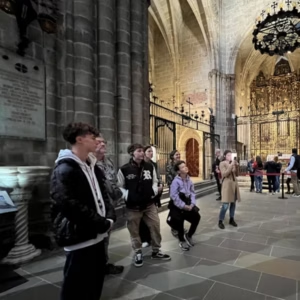
Benefit from an expert-led guided tour in English, French, or Spanish.

Gain full access to both the main interior and rooftop terraces offering panoramic city views.

Enjoy a rare virtual reality segment revealing hidden parts of the cathedral.

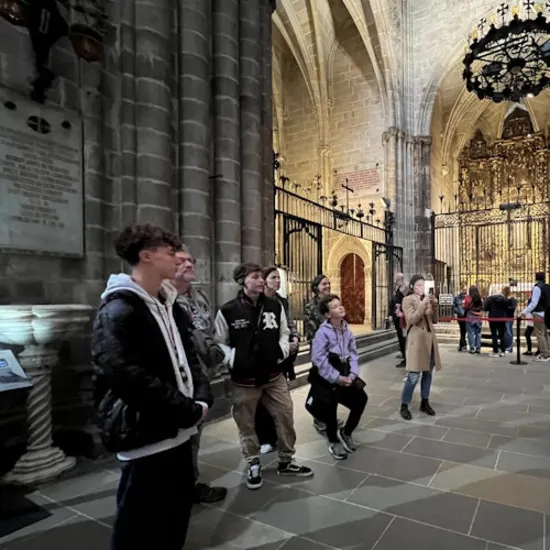
Small group tours limited to 20 participants ensure a personalized visit.

Cathedral of Barcelona

Discover the stunning Barcelona Cathedral, a masterpiece of Gothic architecture and a symbol of the city’s rich religious and cultural heritage. Built between the 13th and 15th centuries, this majestic cathedral offers visitors an unforgettable journey through history, art, and spirituality. Explore its magnificent cloister, chapels, and crypt while experiencing centuries of tradition. Secure your tickets today to immerse yourself in one of Barcelona’s most iconic landmarks.

About the Cathedral of Barcelona

Cathedral of Barcelona (Google Maps)

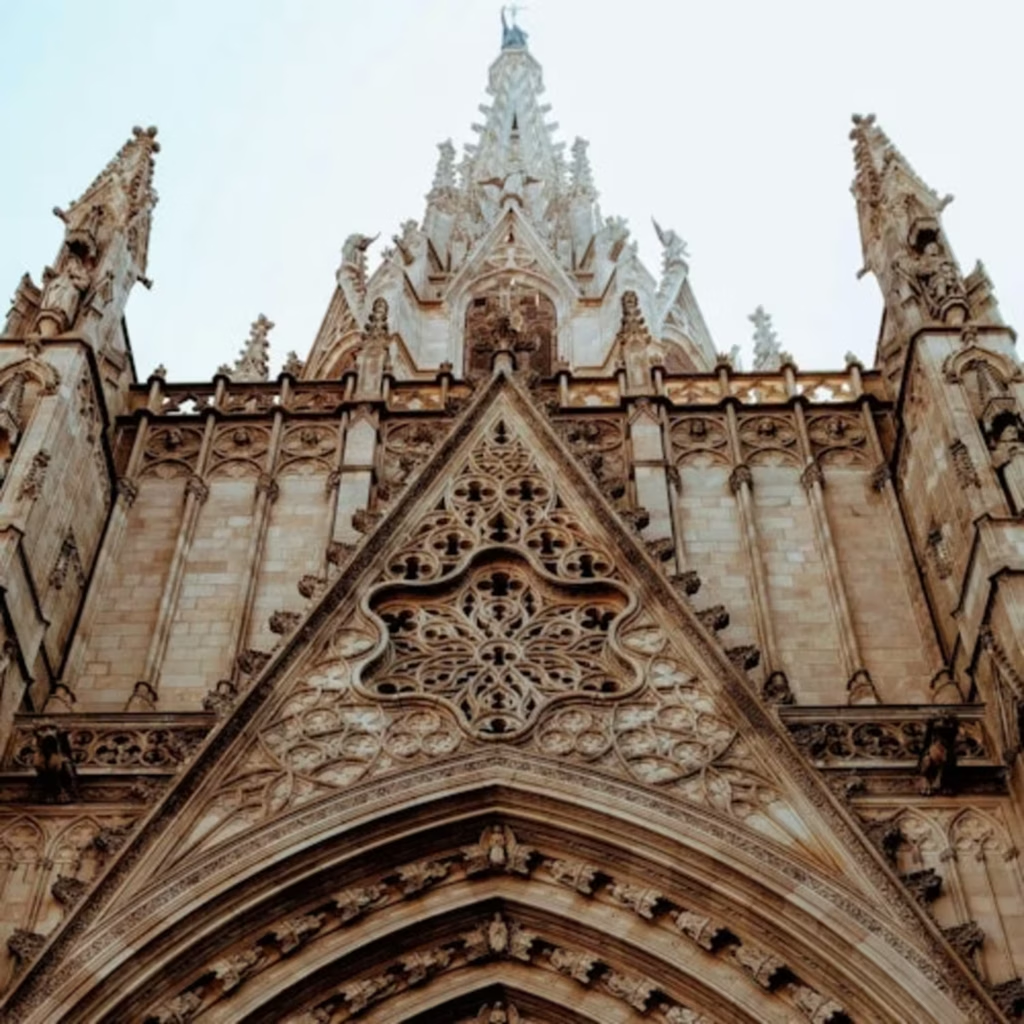
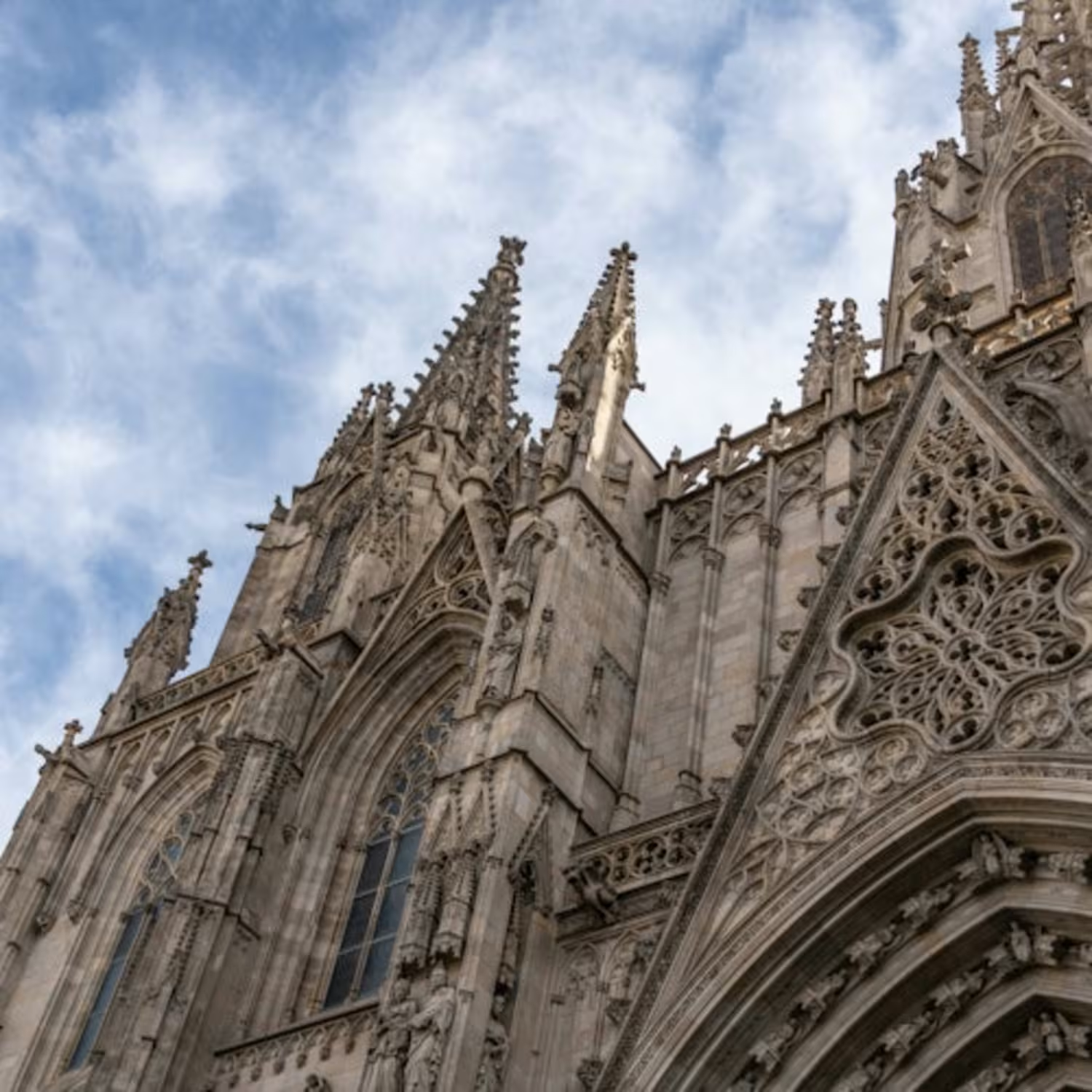
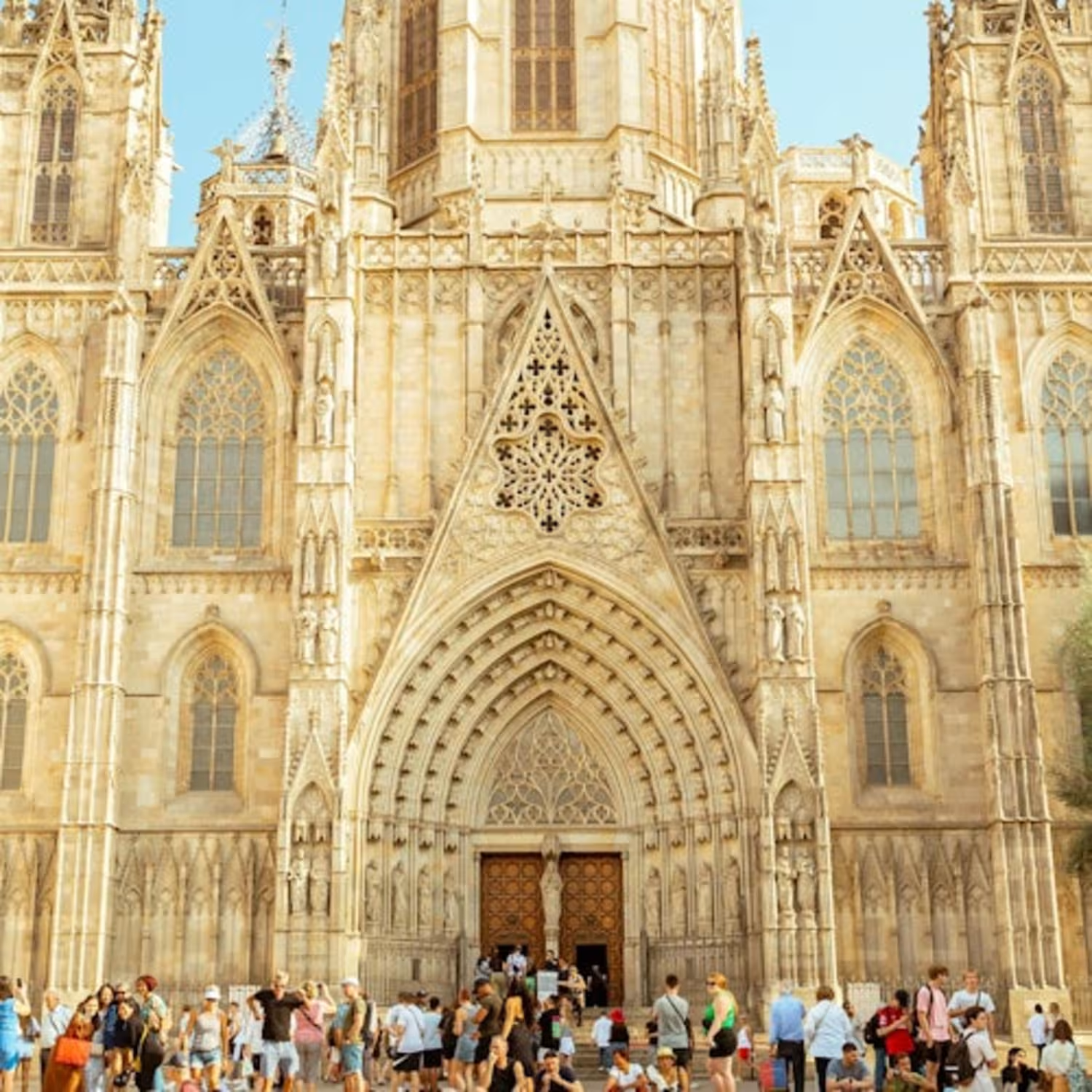
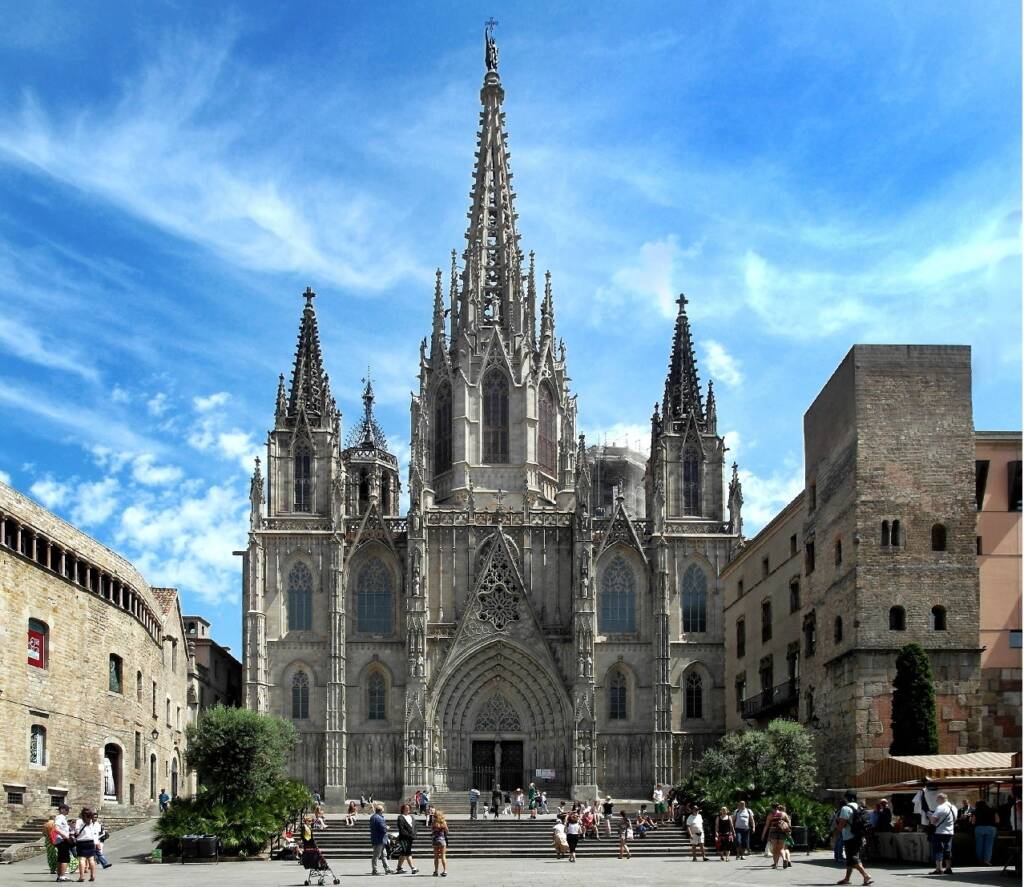
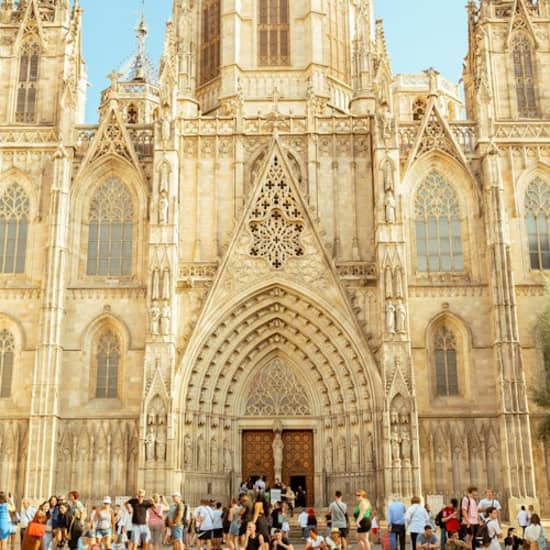
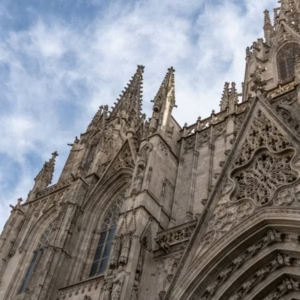
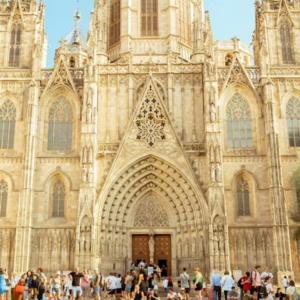
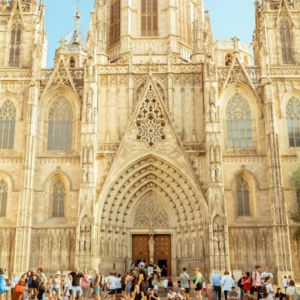
The Barcelona Cathedral, officially known as the Cathedral of the Holy Cross and Saint Eulalia, stands as a prime example of Catalan Gothic architecture in the heart of Barcelona's historic Gothic Quarter. Constructed predominantly during the 14th century on the site of earlier religious buildings dating back to the 5th century, this majestic cathedral serves as the seat of the Archbishop of Barcelona and symbolizes the city’s rich religious and cultural heritage.

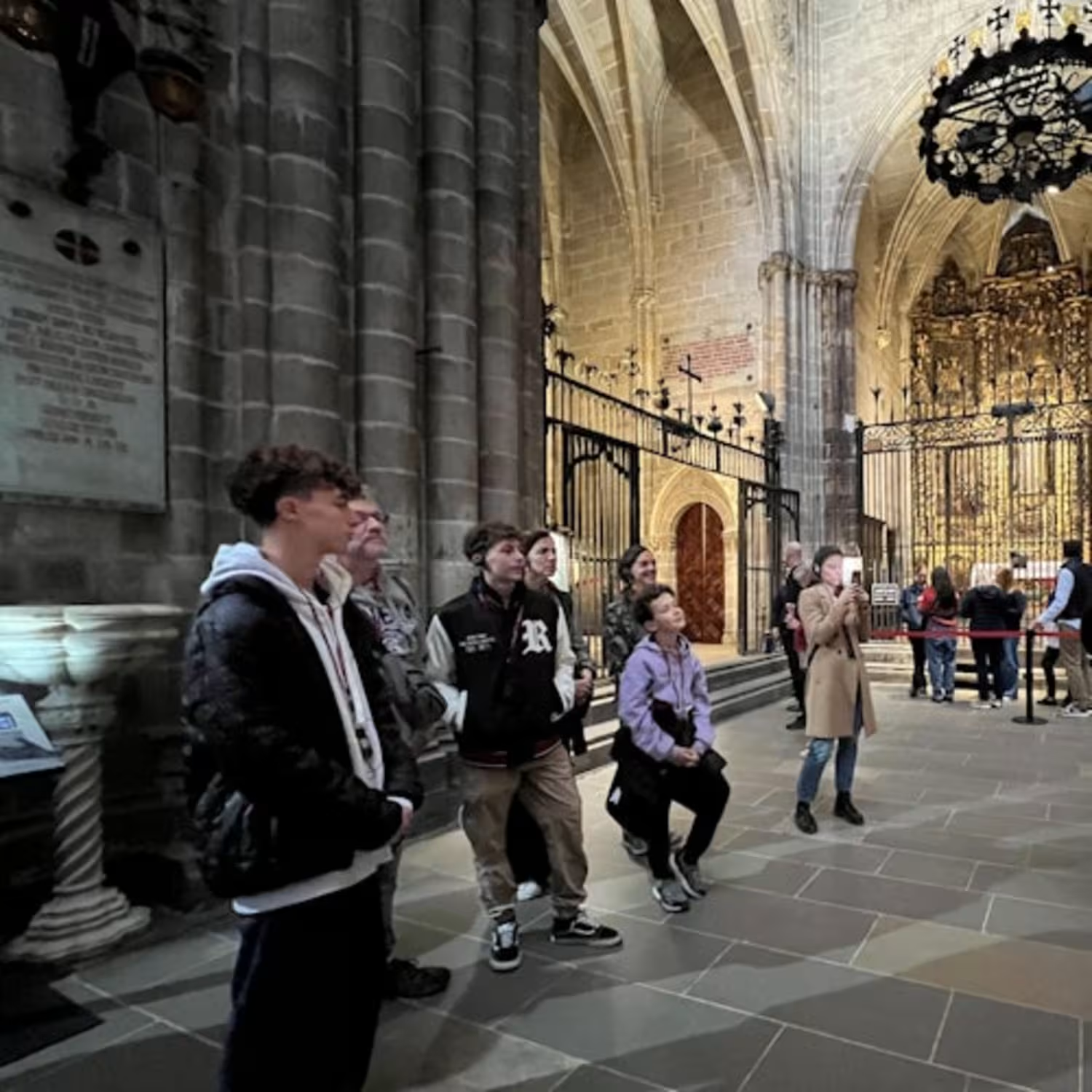
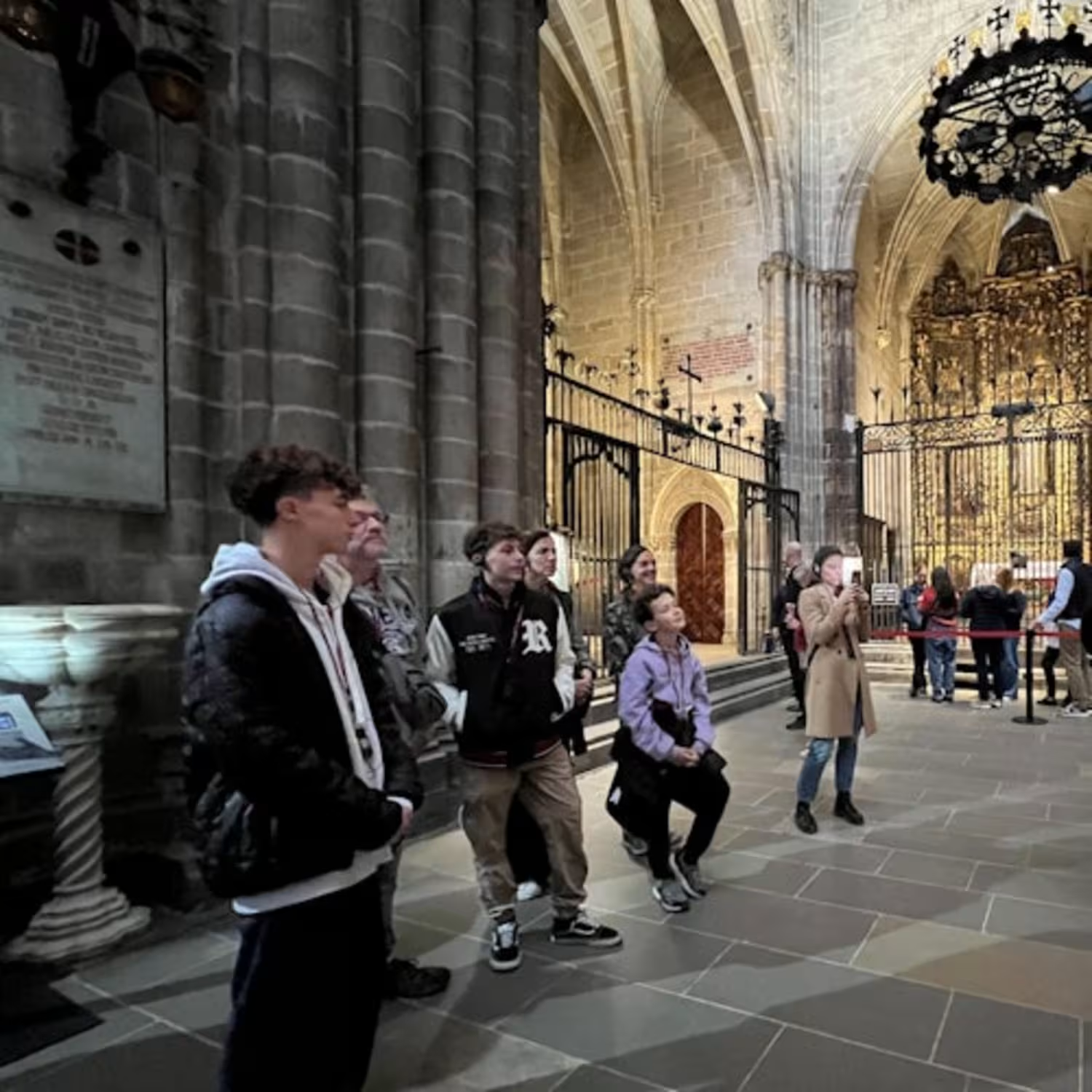
Visitors to the cathedral experience not only its impressive architecture and art but also the historical layers encapsulated within its walls, from the Gothic cloister housing thirteen white geese to the Renaissance choir stalls and the renowned Chapel of Lepanto. The cathedral continues to function as an active place of worship and cultural landmark, offering diverse visitor experiences including guided tours, access to its chapels, crypt, and cloister.

Annual Visitors: Approx 3 million
Built in: Initial religious structures date back to the 5th century; present Gothic cathedral mainly built from the 13th to 15th centuries, with the current façade completed in the late 19th and early 20th centuries

Why Visit the Cathedral of Barcelona?

A Masterpiece of Catalan Gothic Architecture

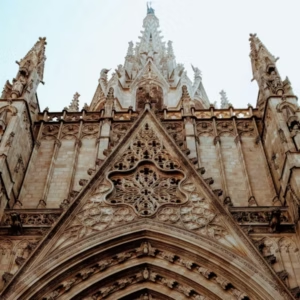
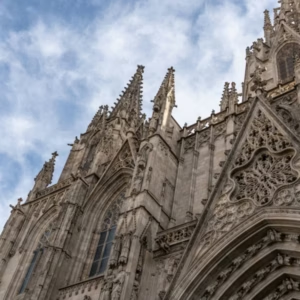
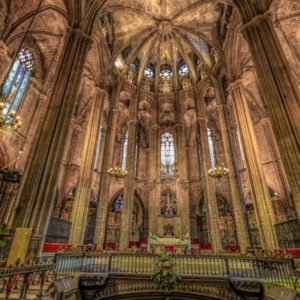
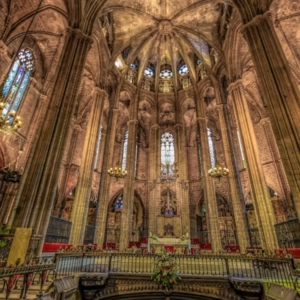
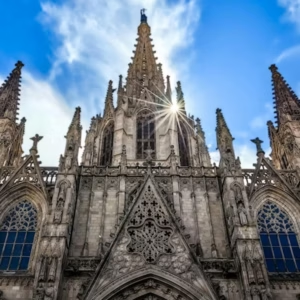
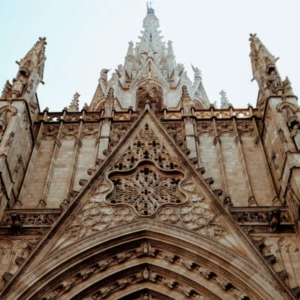
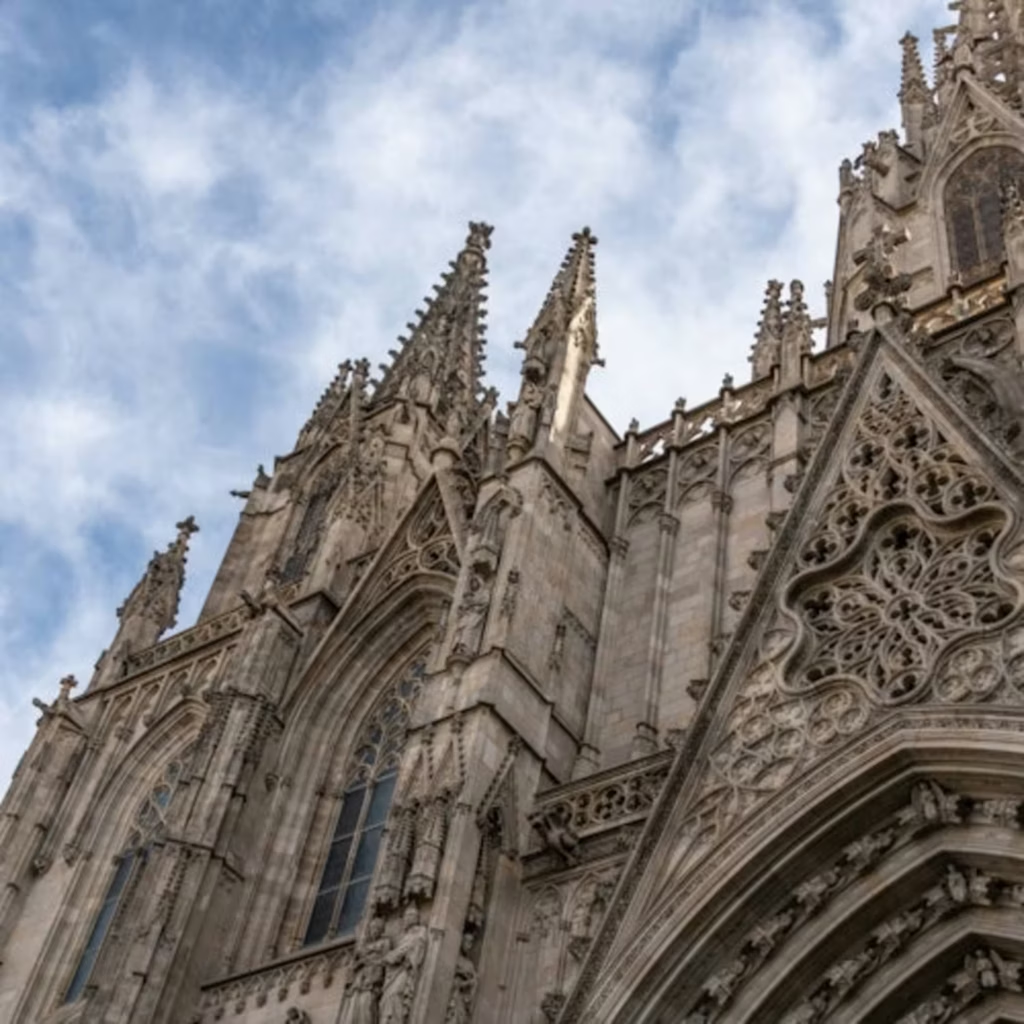
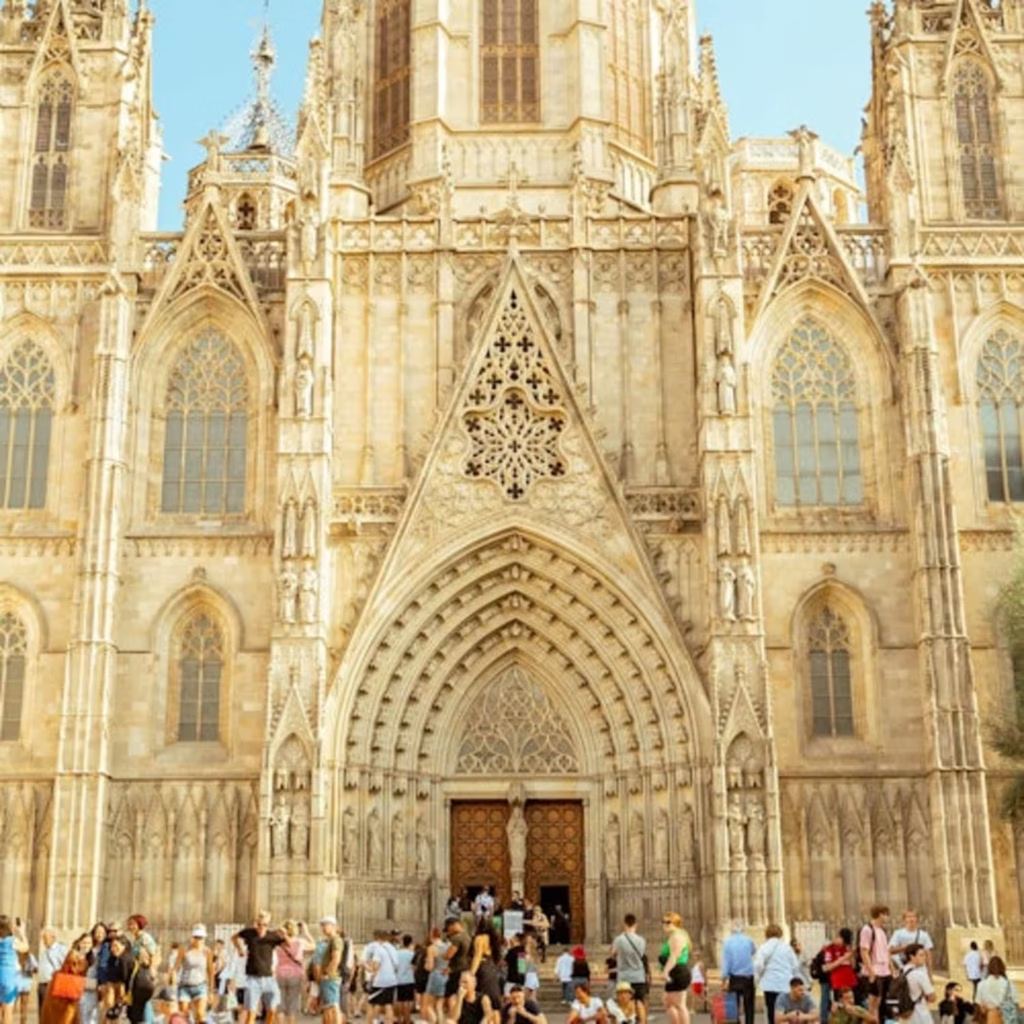
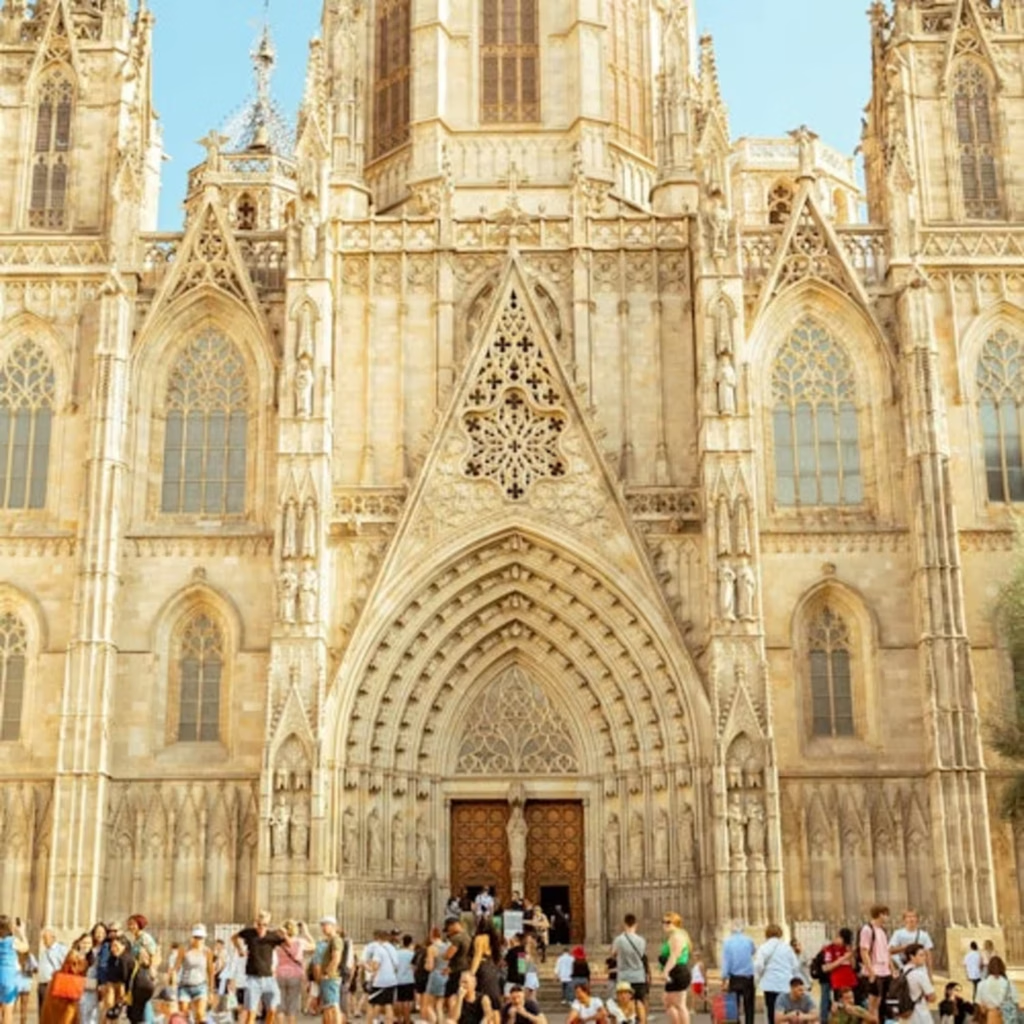
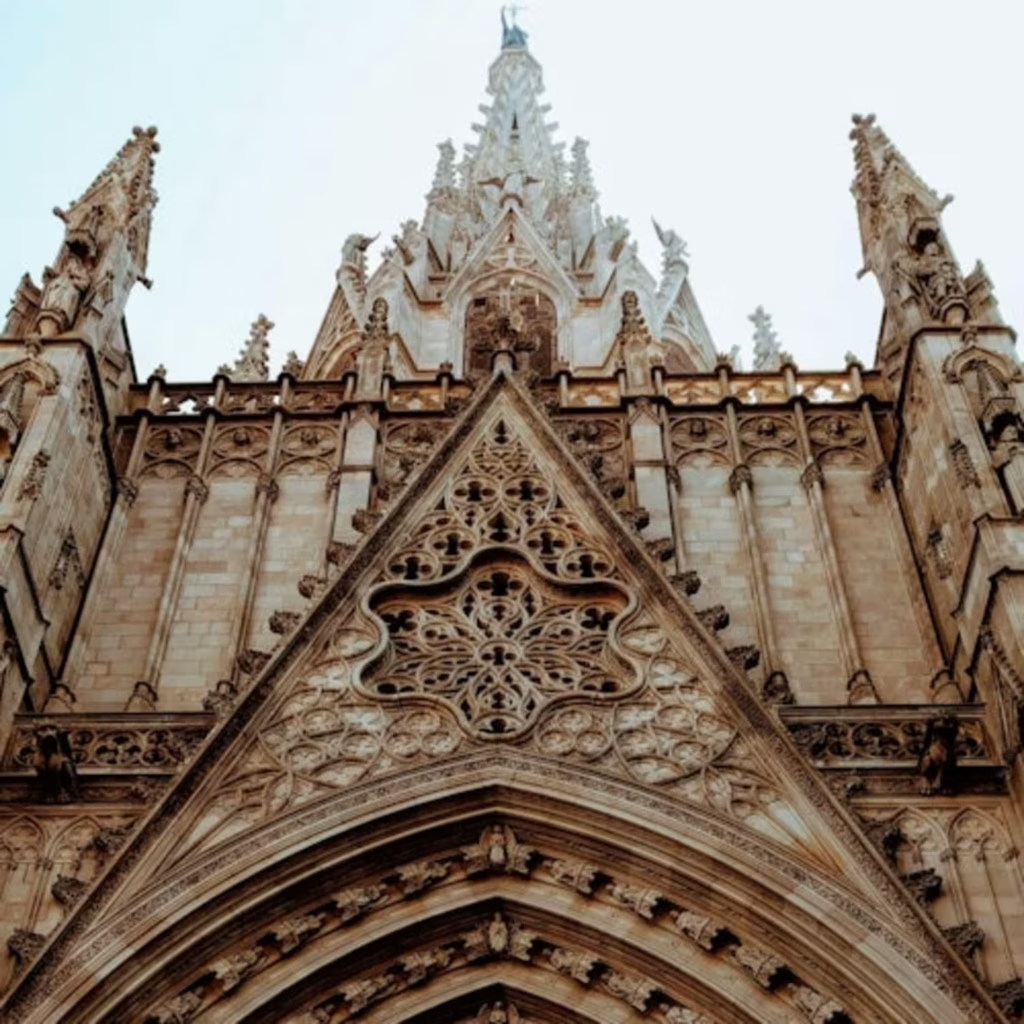
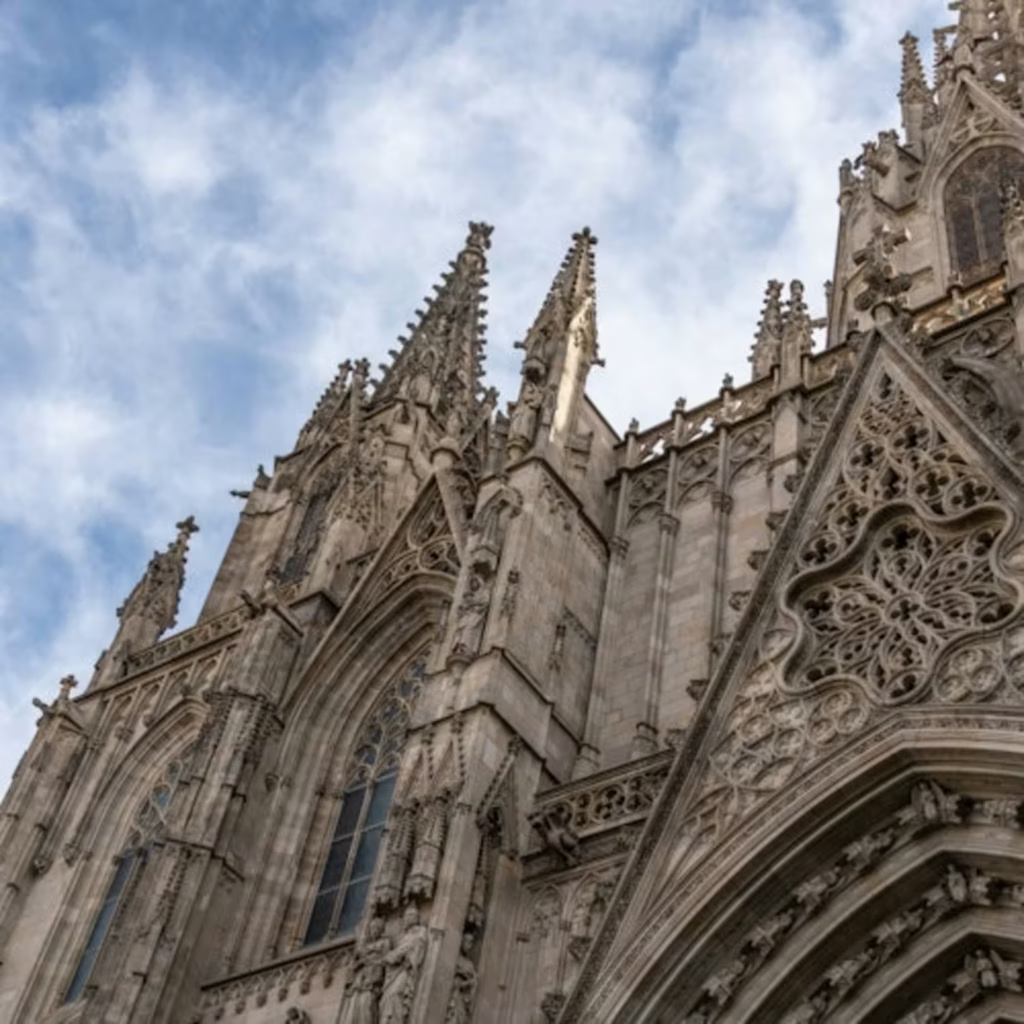
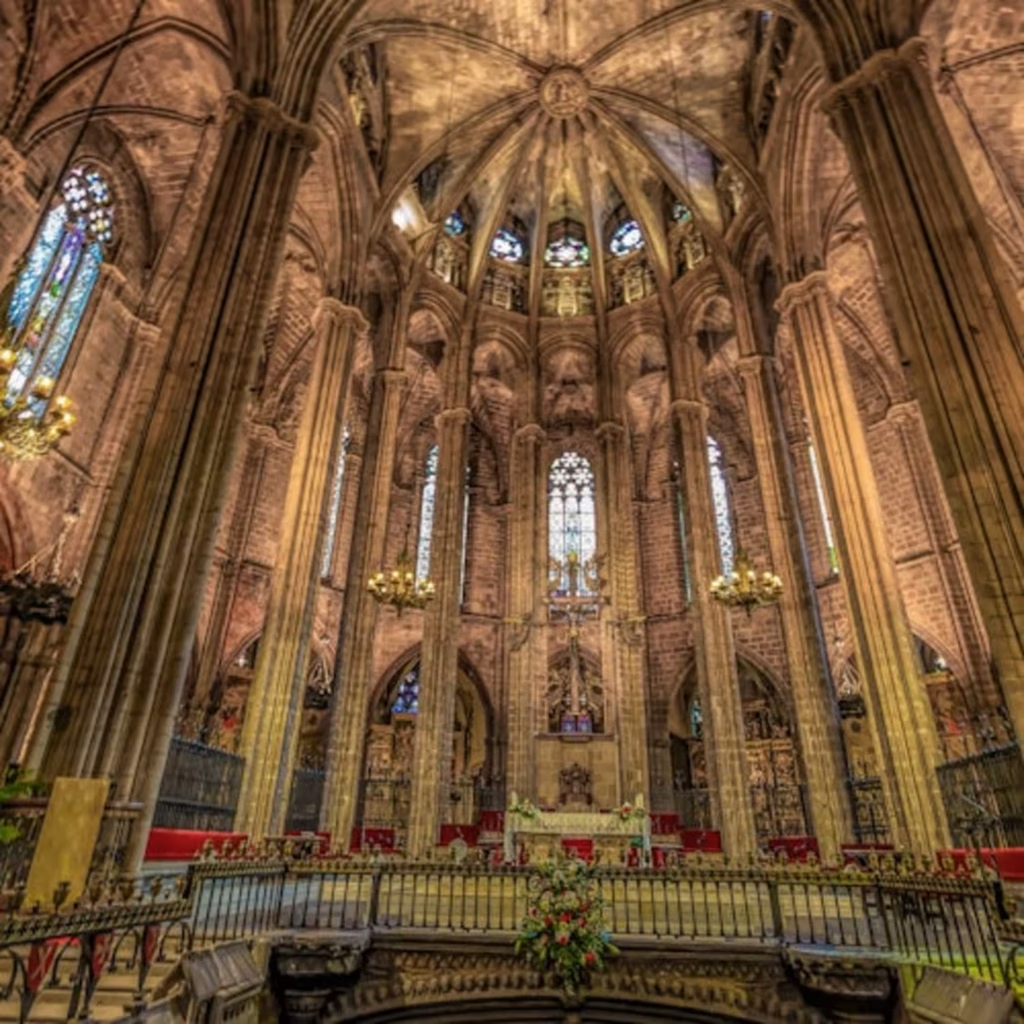
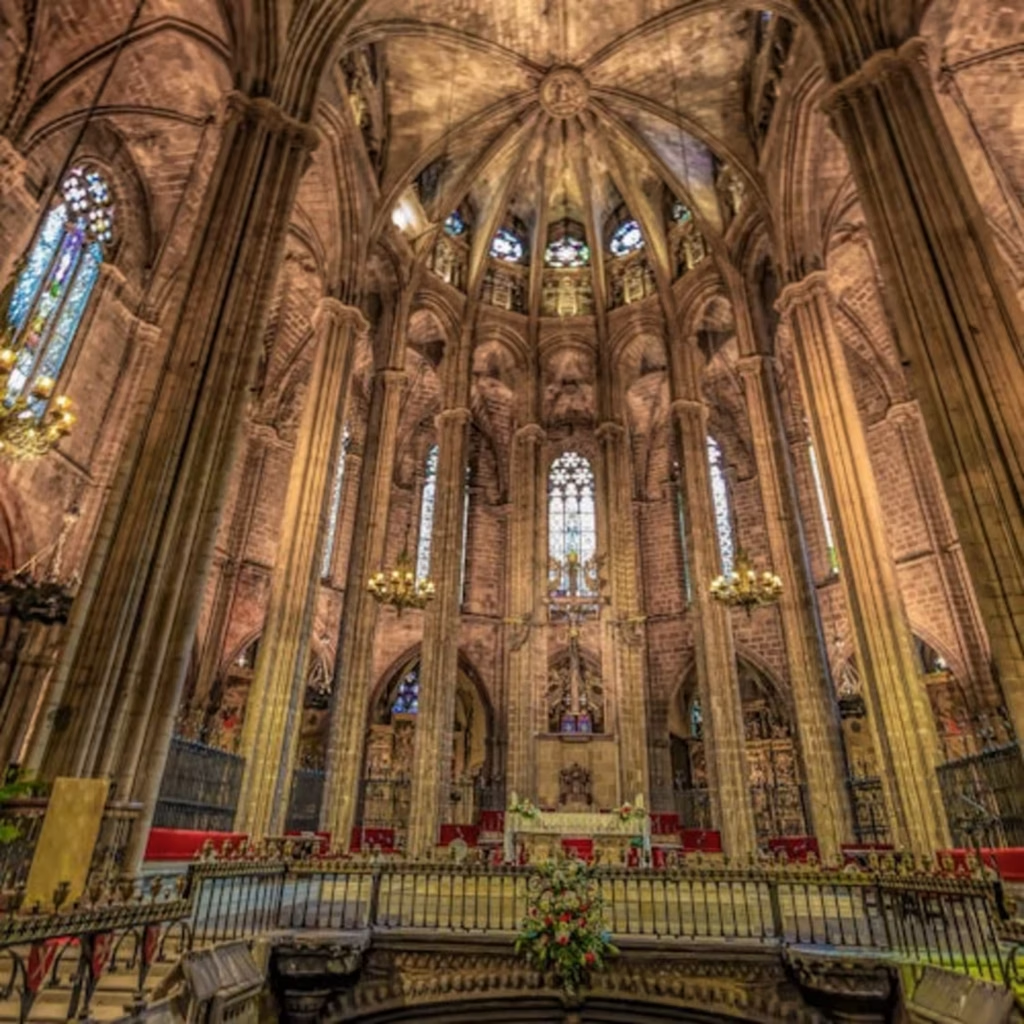
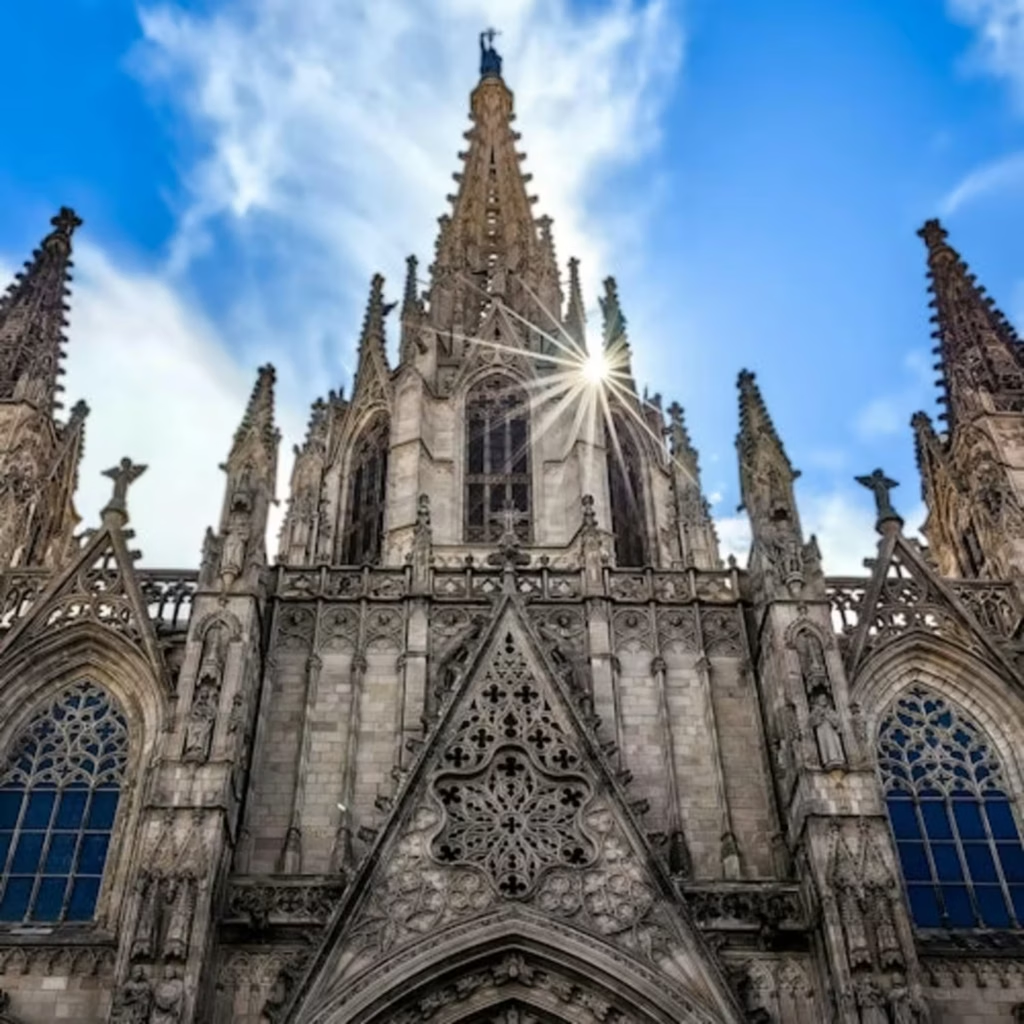
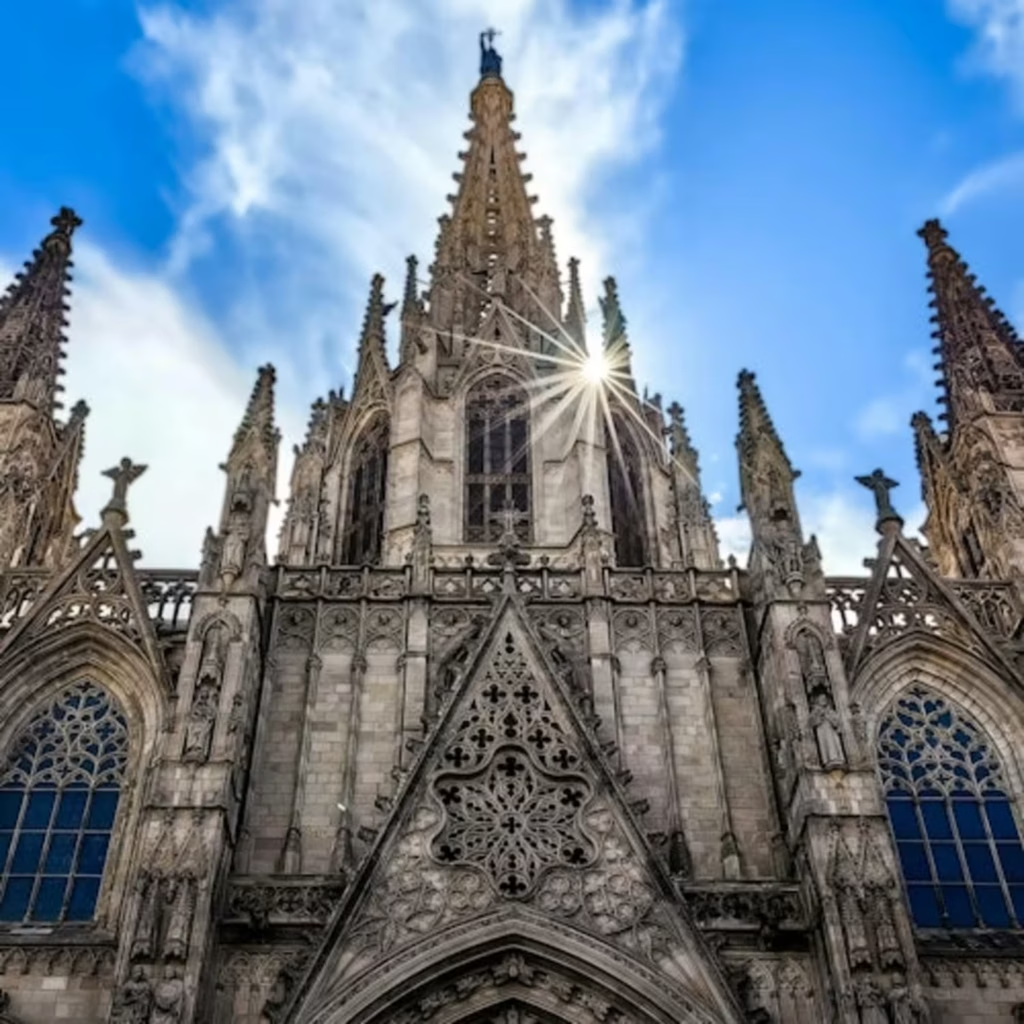
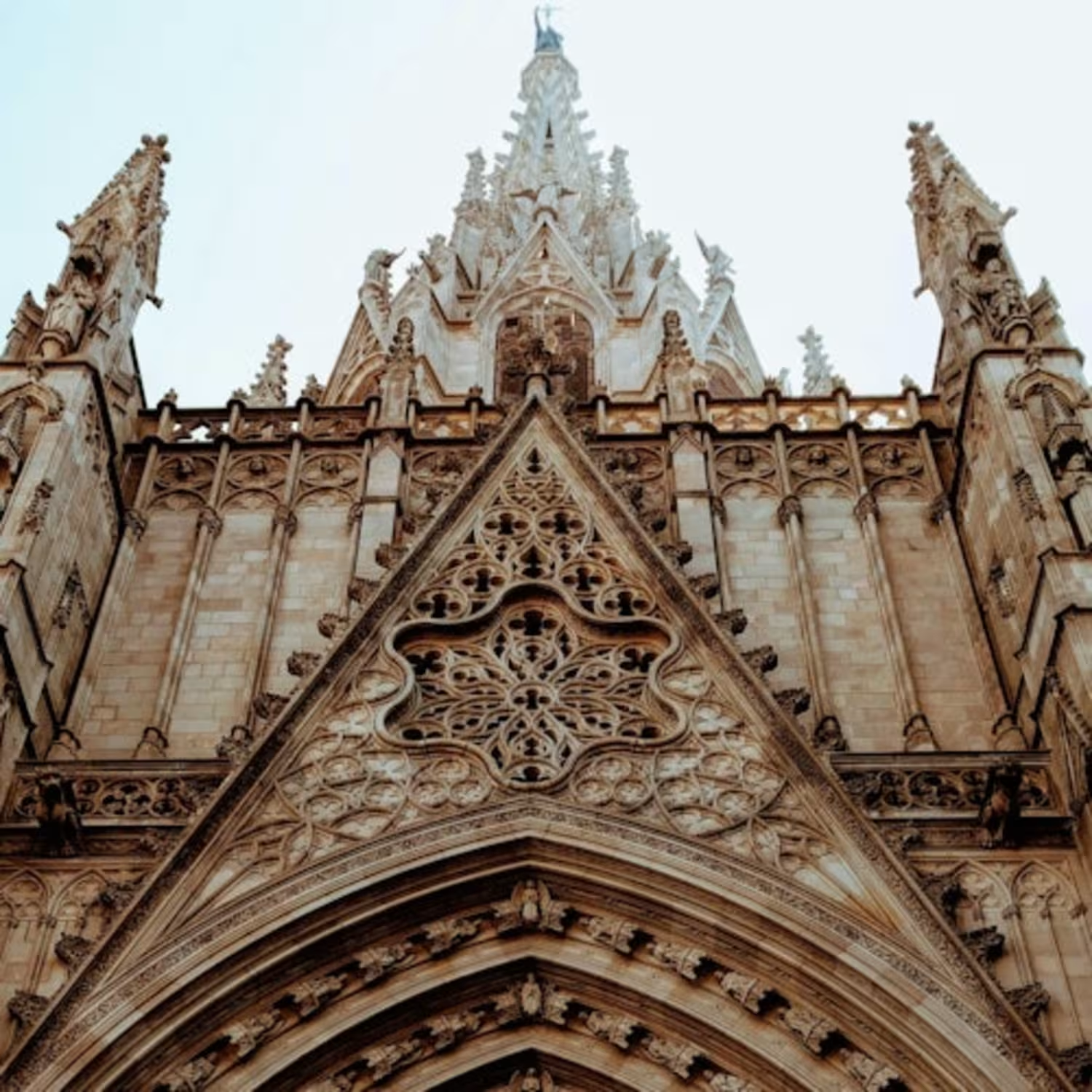
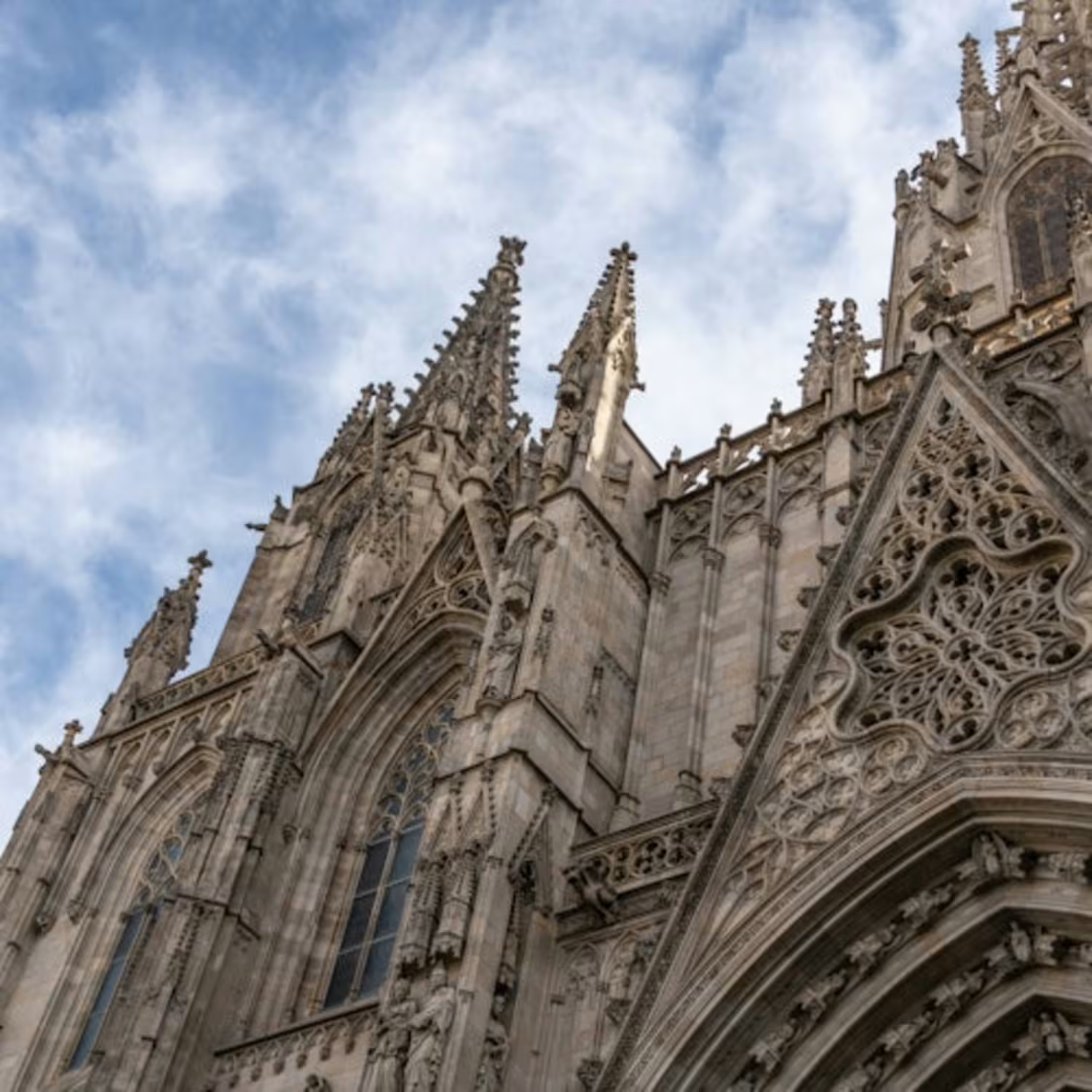
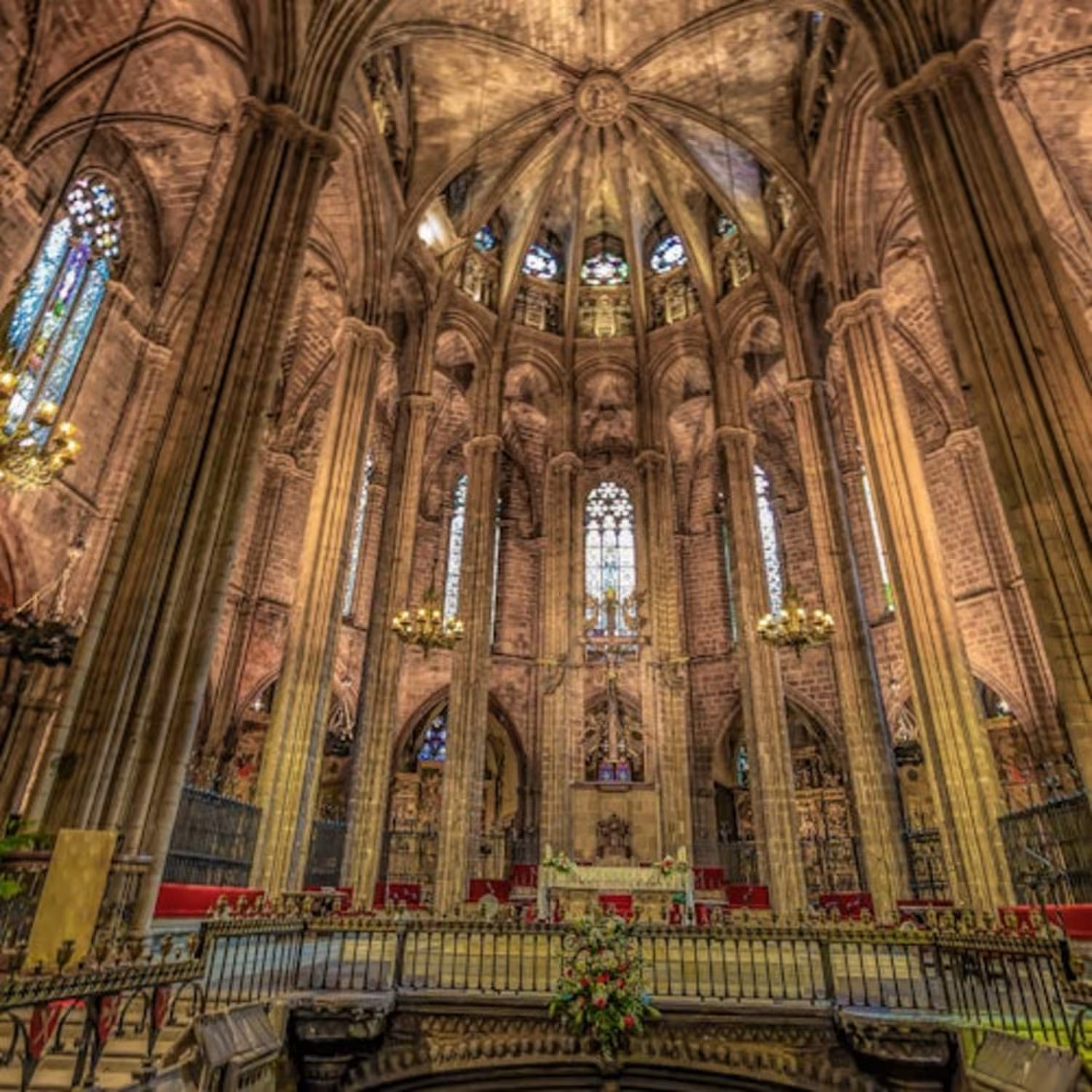
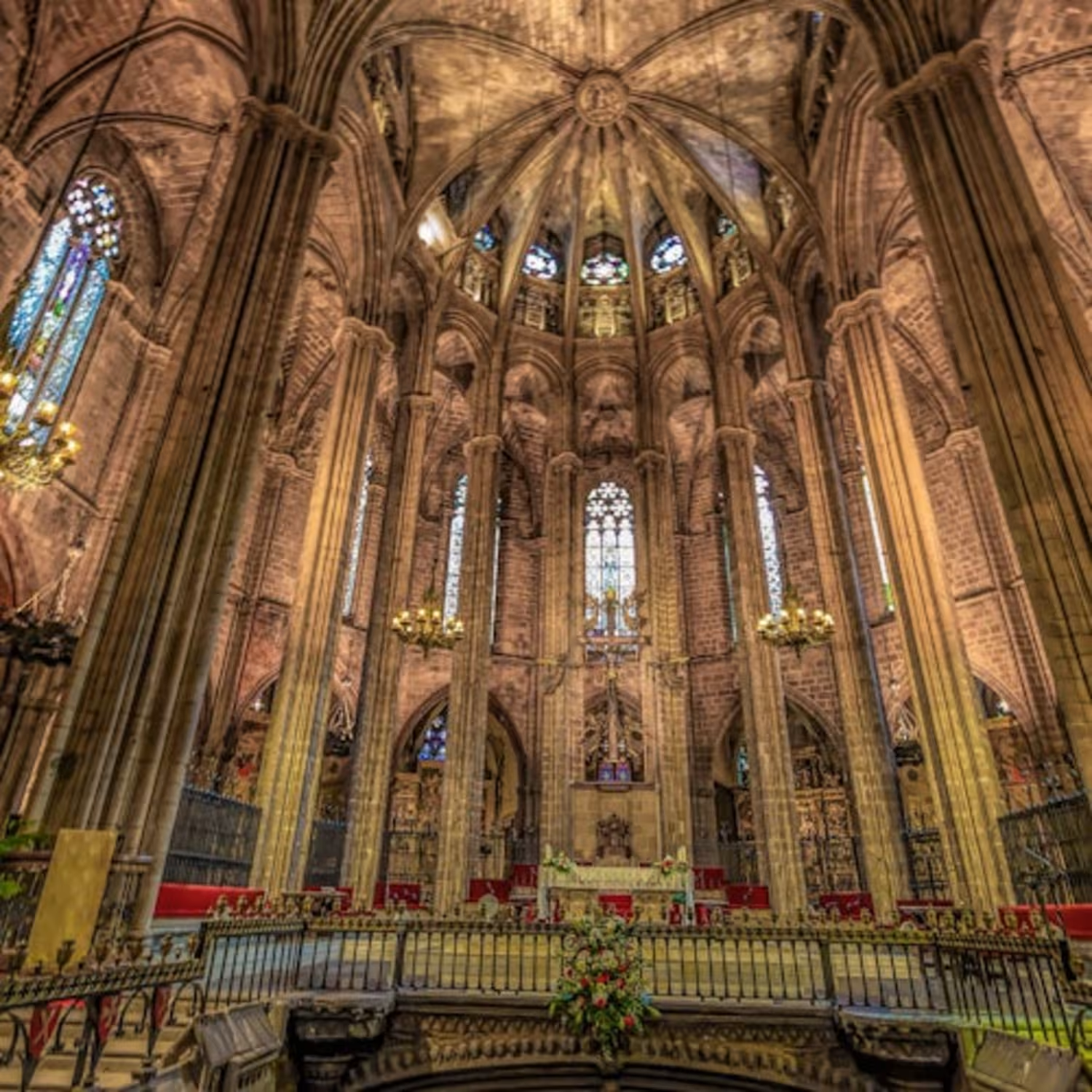
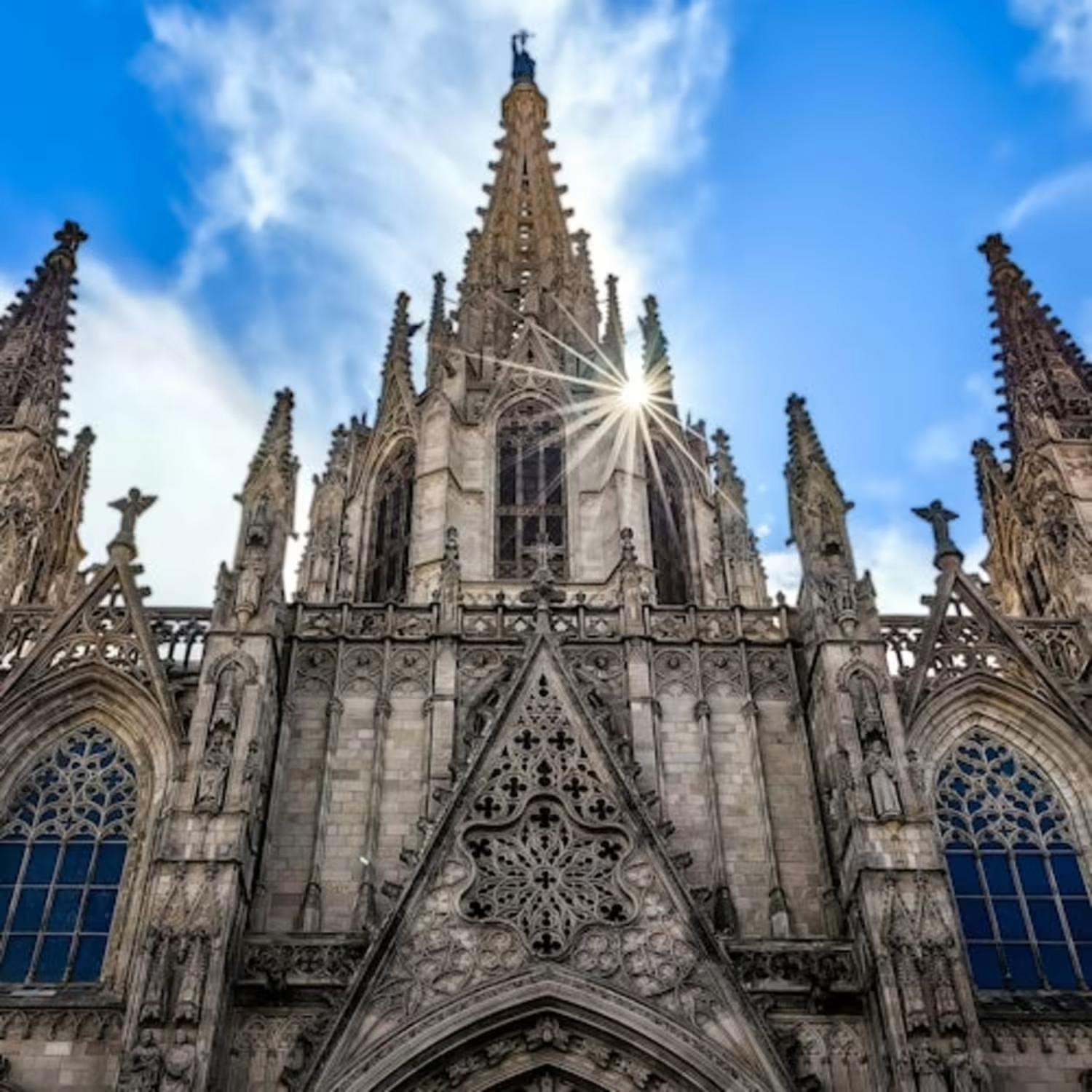
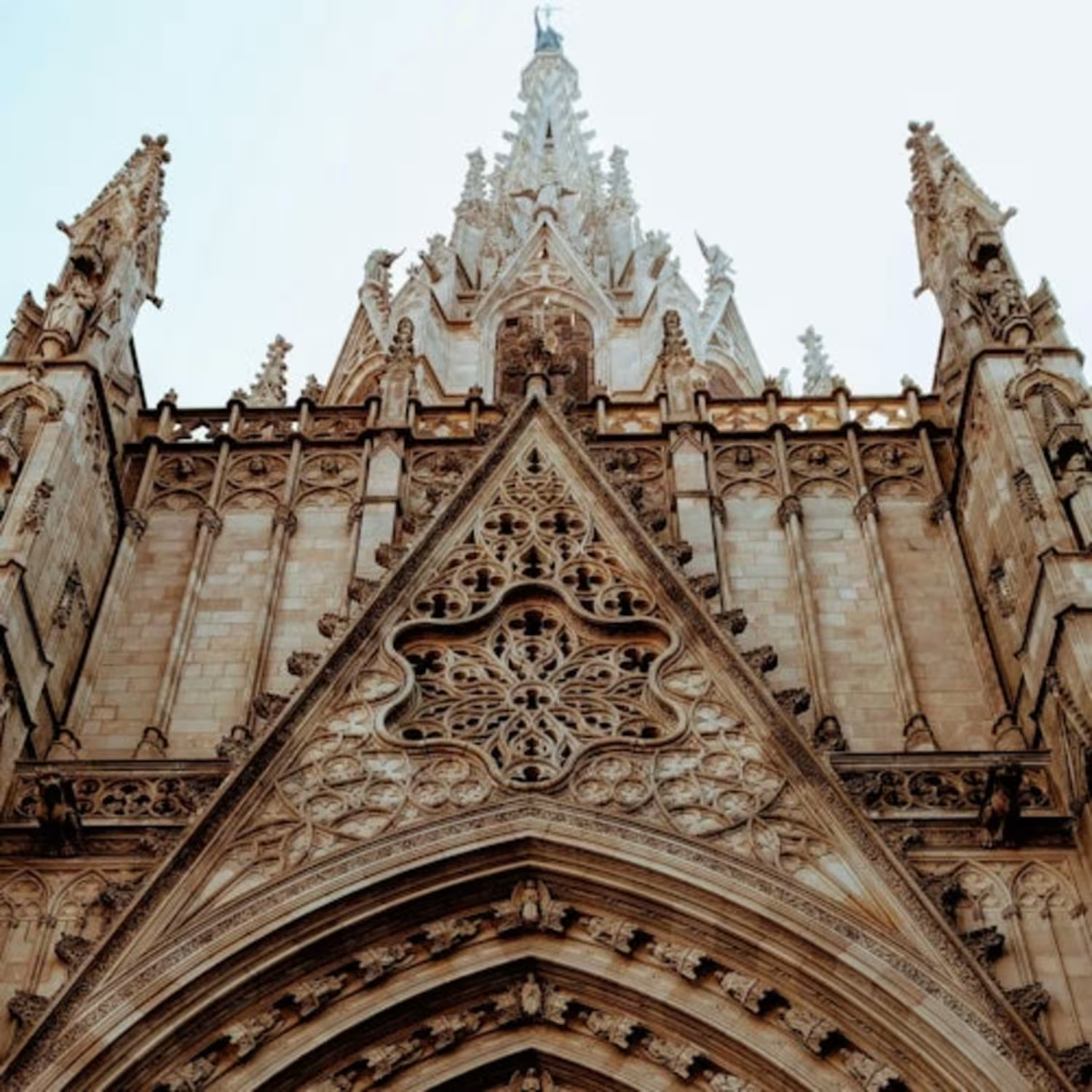
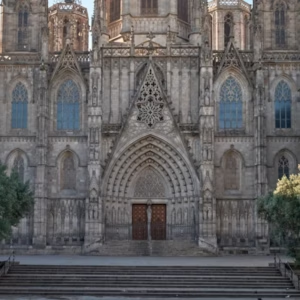
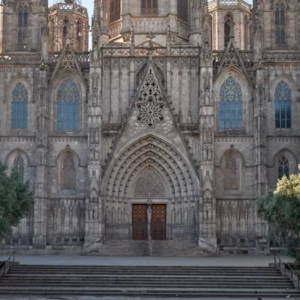
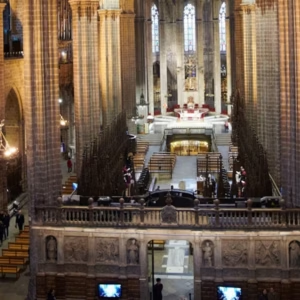
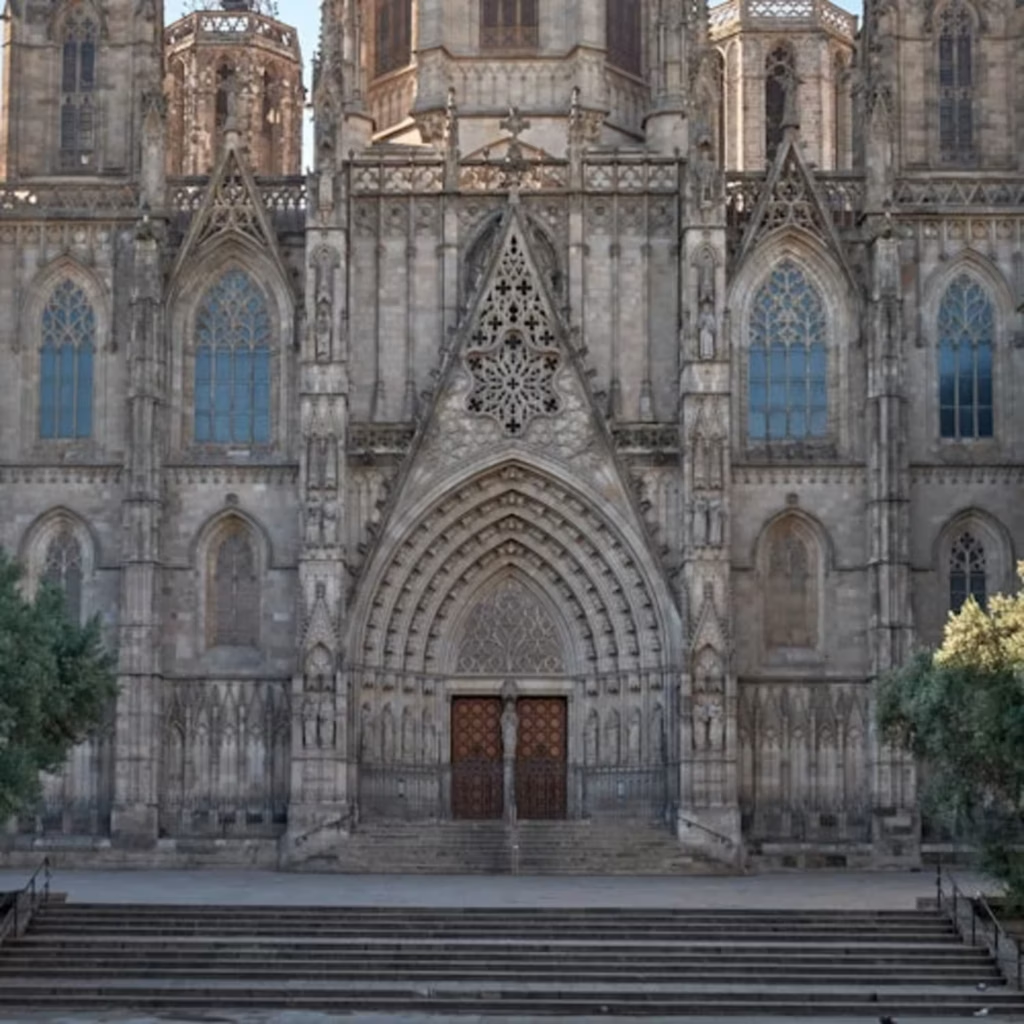
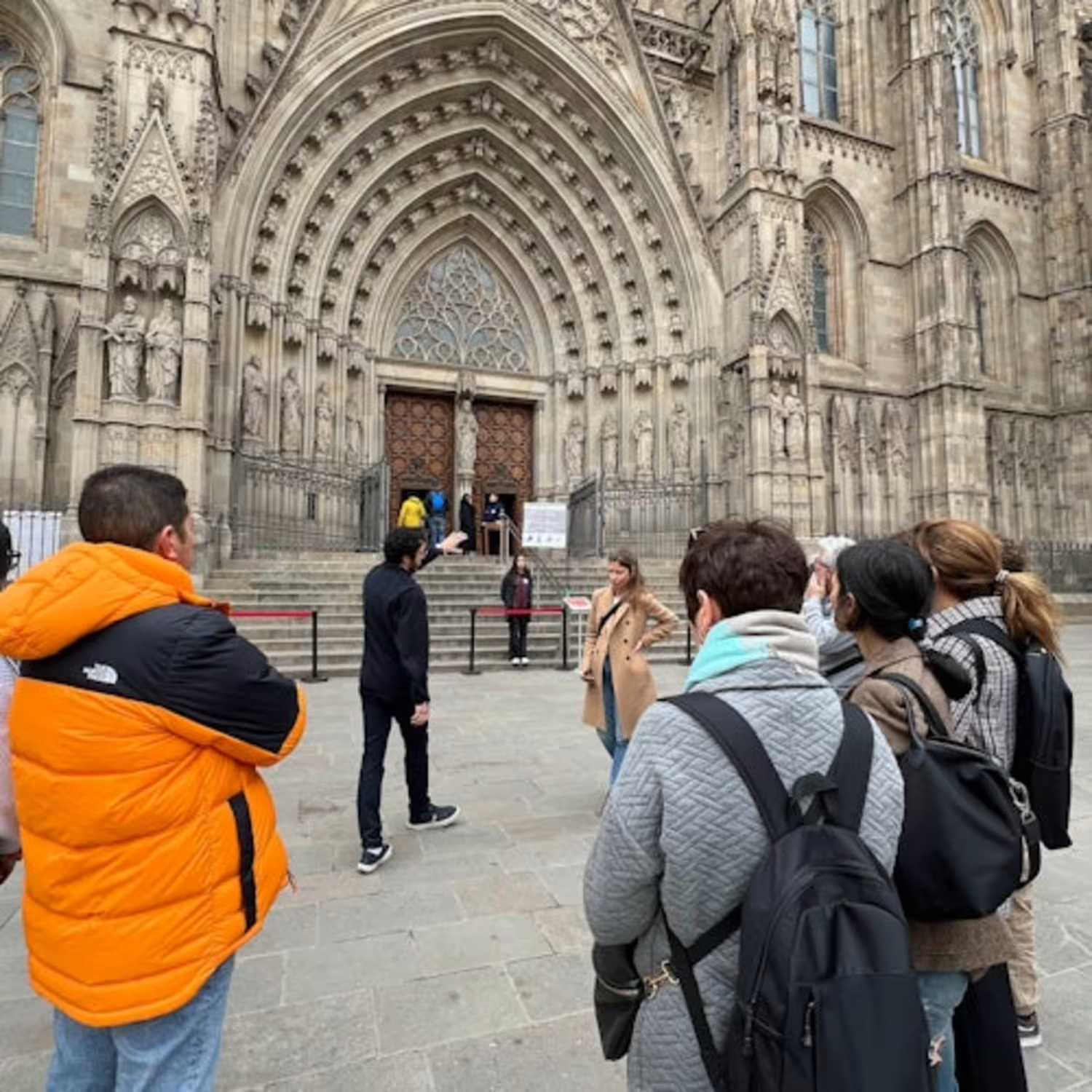
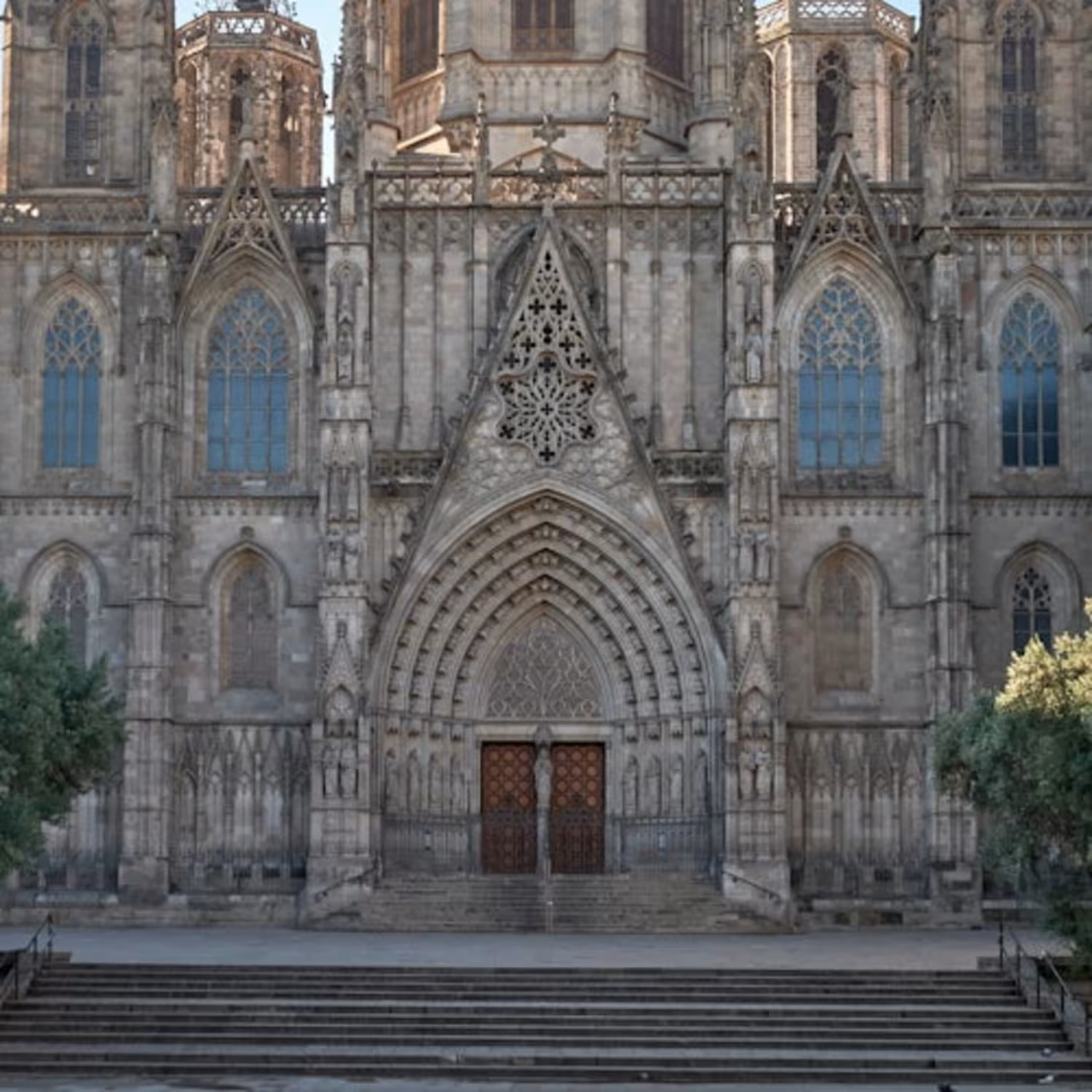
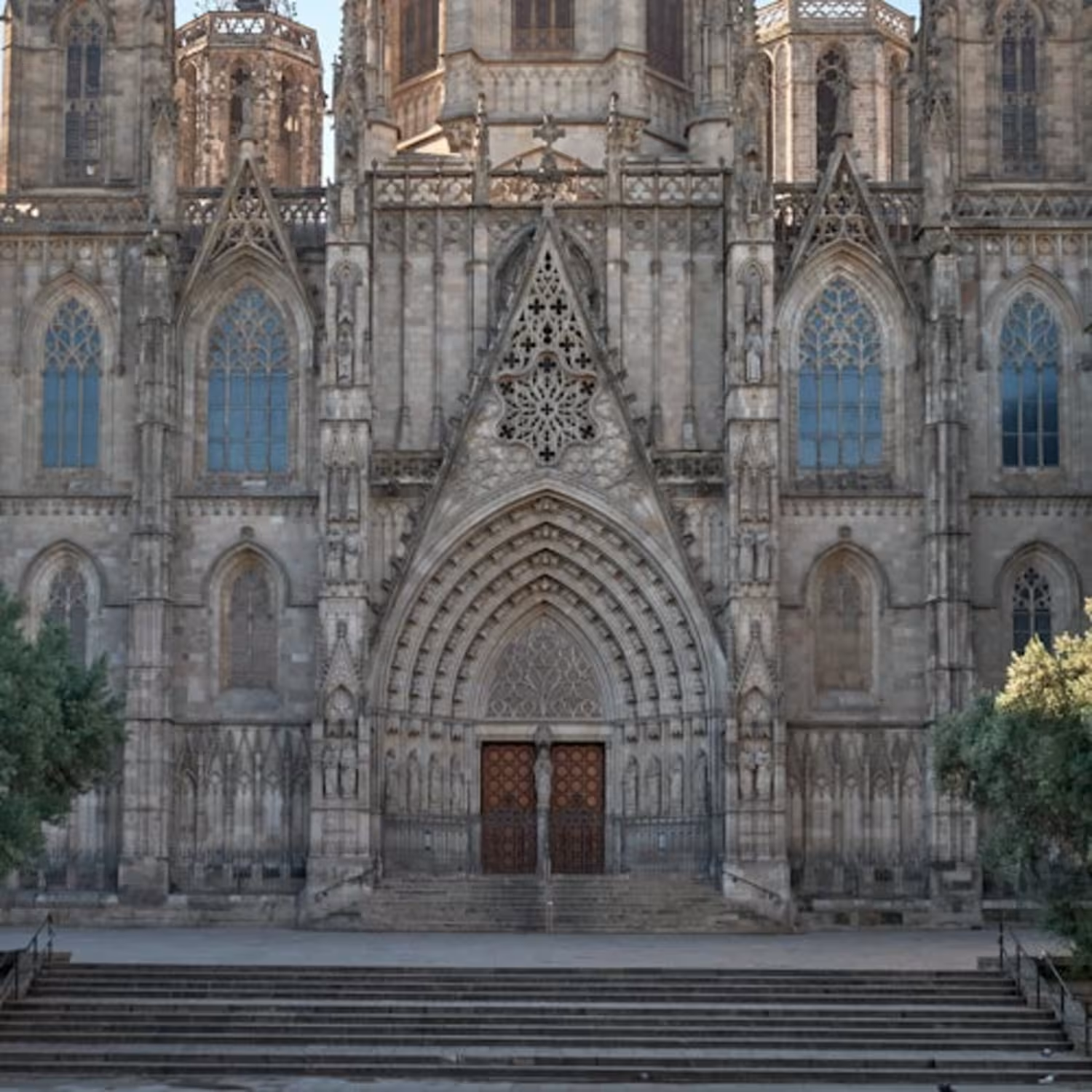
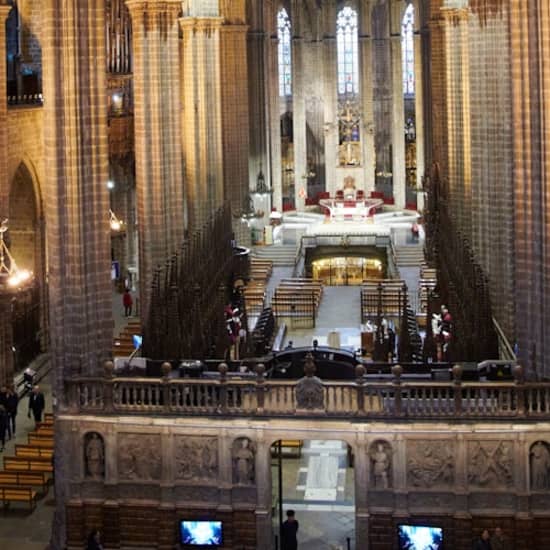
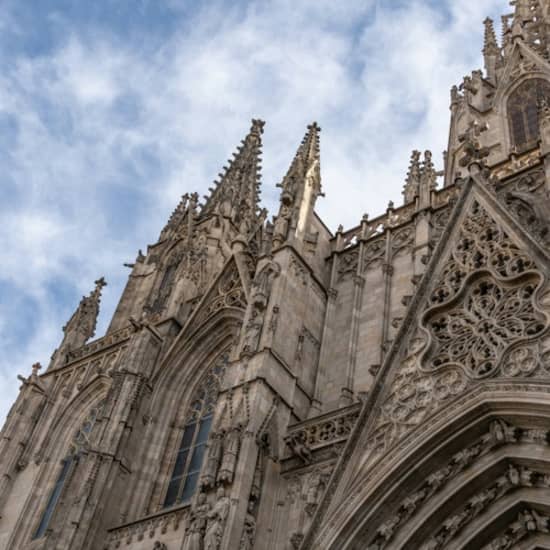
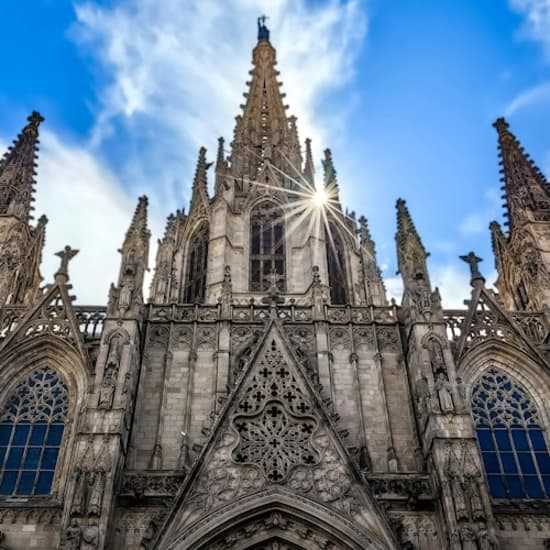
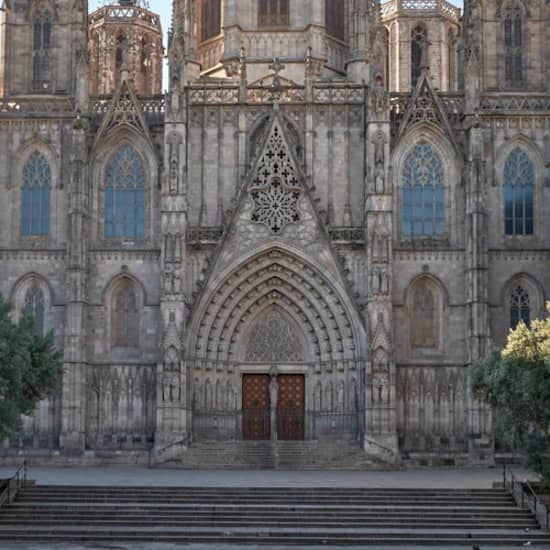
The cathedral is a quintessential example of the Catalan Gothic style, with its impressive façade, soaring vaulted ceilings, and intricate carvings that took centuries to complete. Its balanced proportions and beautiful stained glass windows create an atmosphere of profound majesty and historical gravitas right in the heart of the city.

Discover the Crypt of Saint Eulalia

Located beneath the main altar, this sacred space houses the beautiful 14th-century alabaster sarcophagus of Saint Eulalia, the co-patron saint of Barcelona. Visiting the crypt offers a deep, poignant connection to the city's spiritual heritage and the story of the young martyr from Roman times.

The Serene Cloister and its Resident Geese

Step into the quiet, rectangular cloister, a tranquil garden oasis surrounded by Gothic arches and featuring a central fountain. This space is famously home to 13 white geese, a beloved local tradition symbolizing the age of Saint Eulalia when she was martyred.

Panoramic Views from the Rooftop

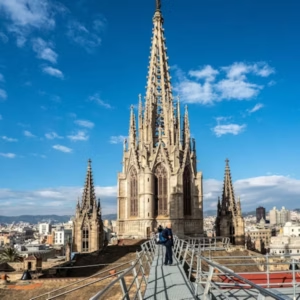
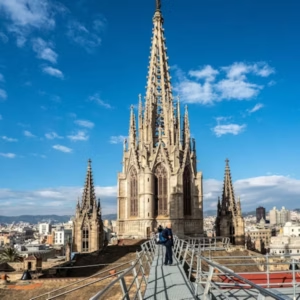
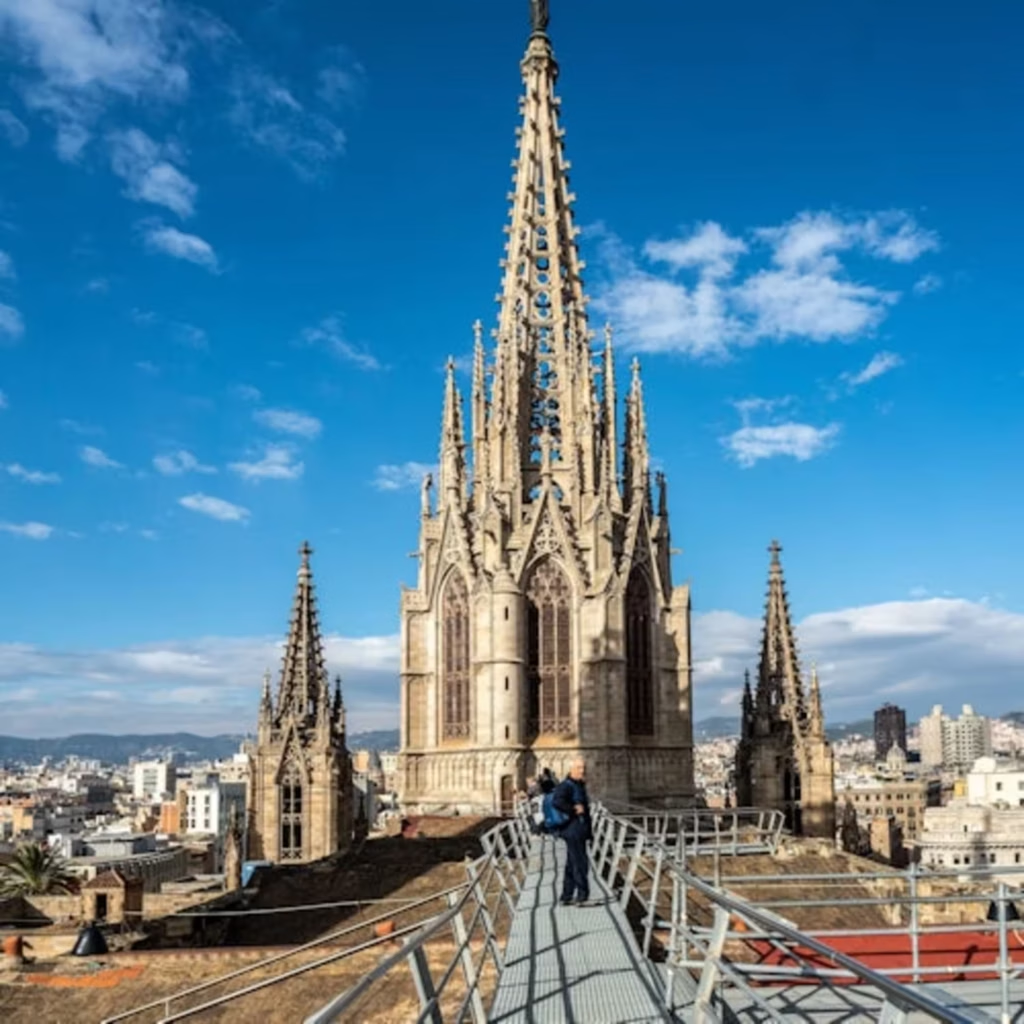
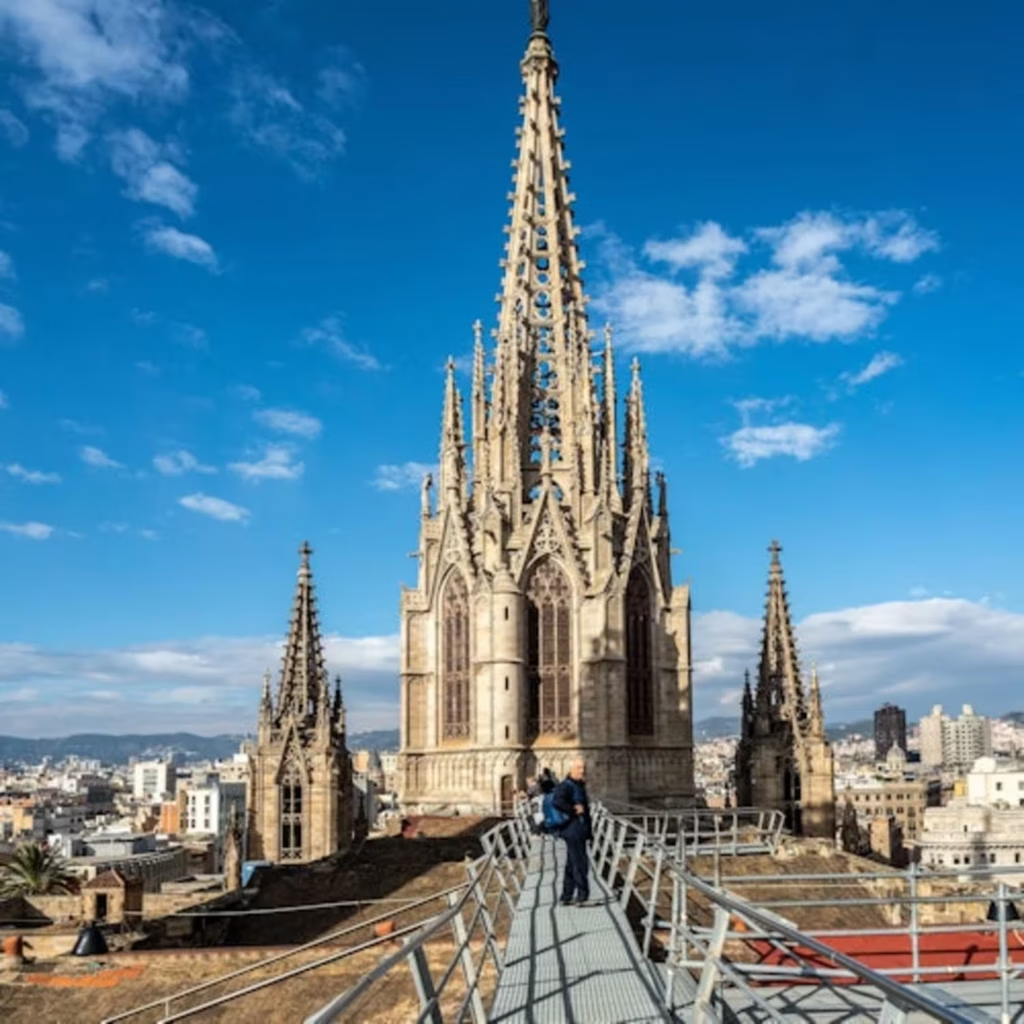
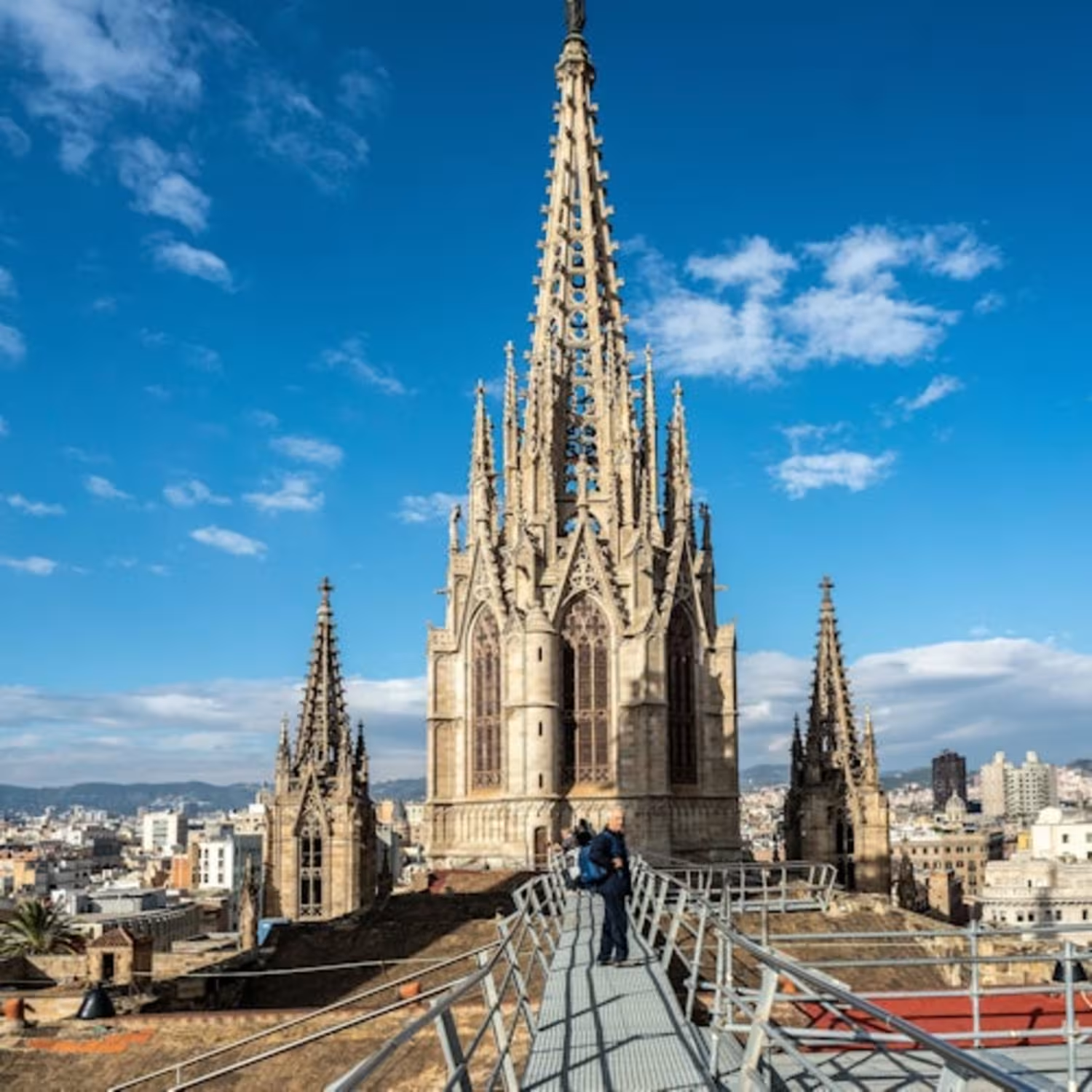
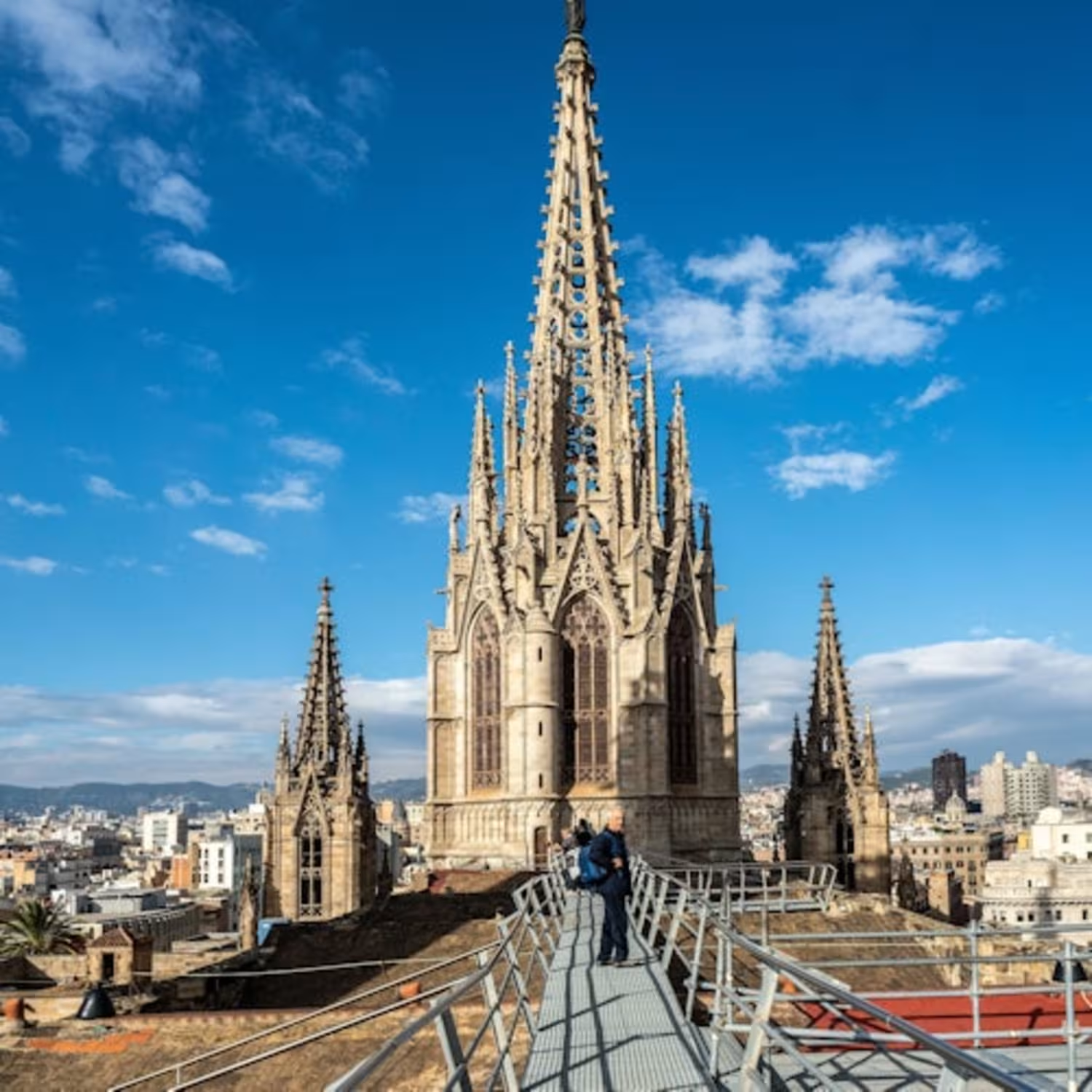
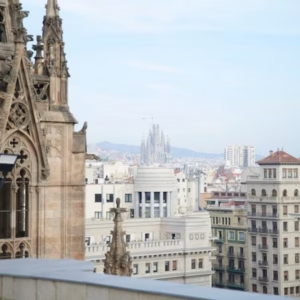
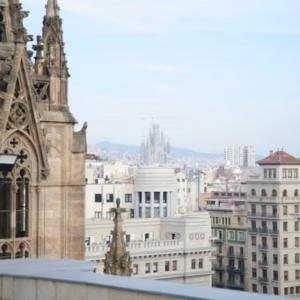
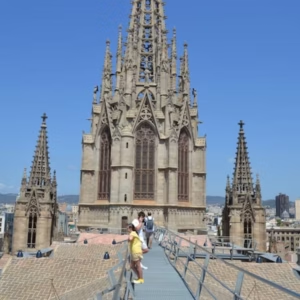
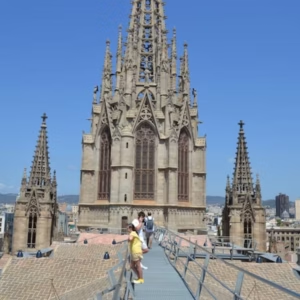
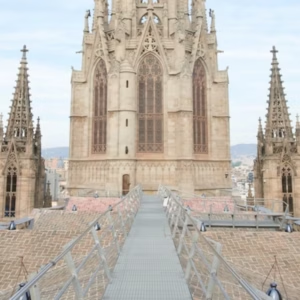
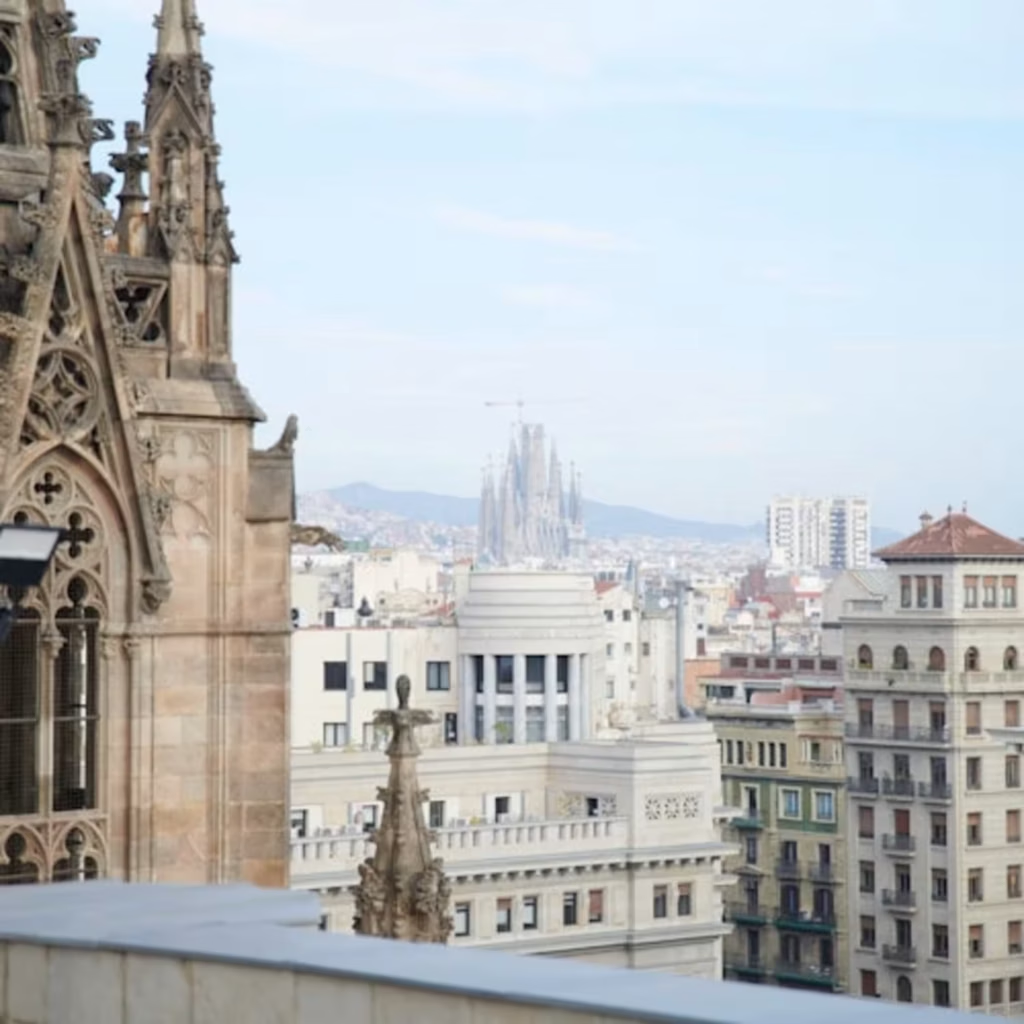
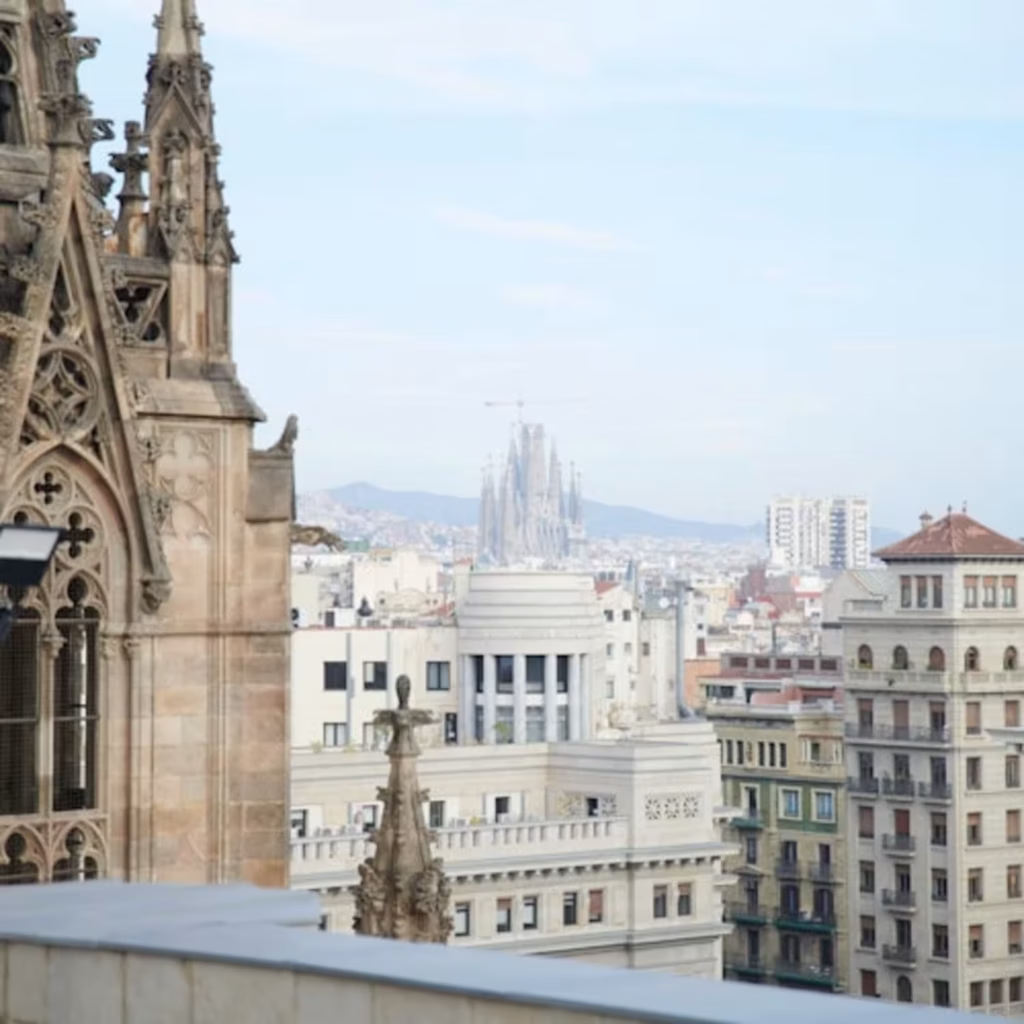
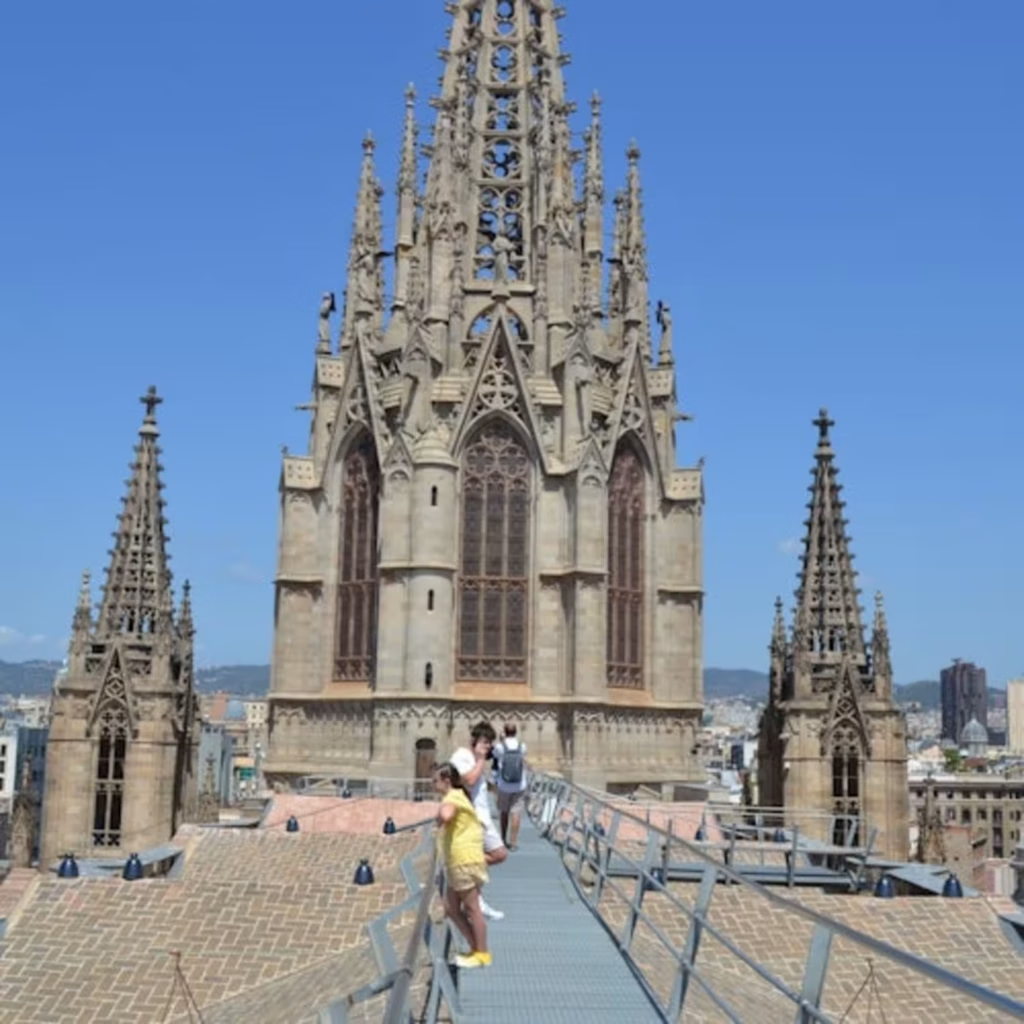
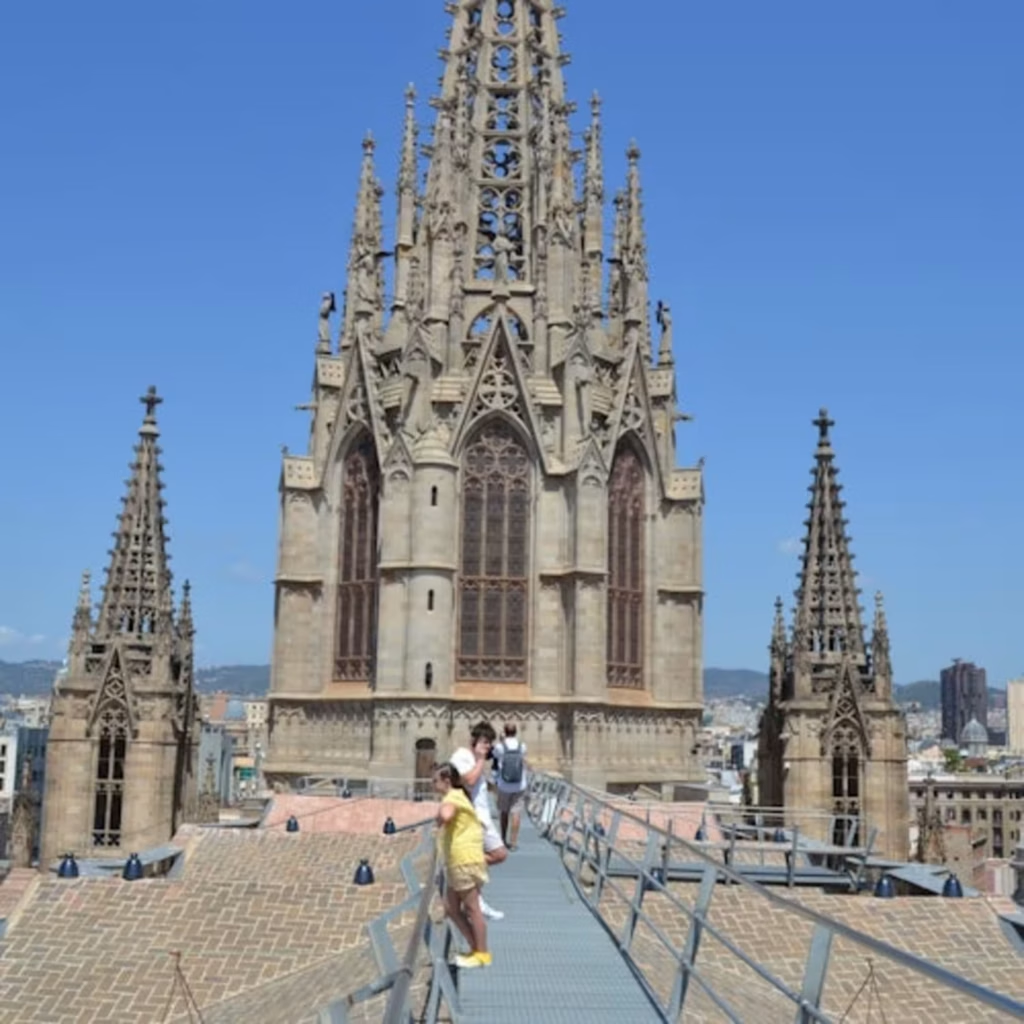
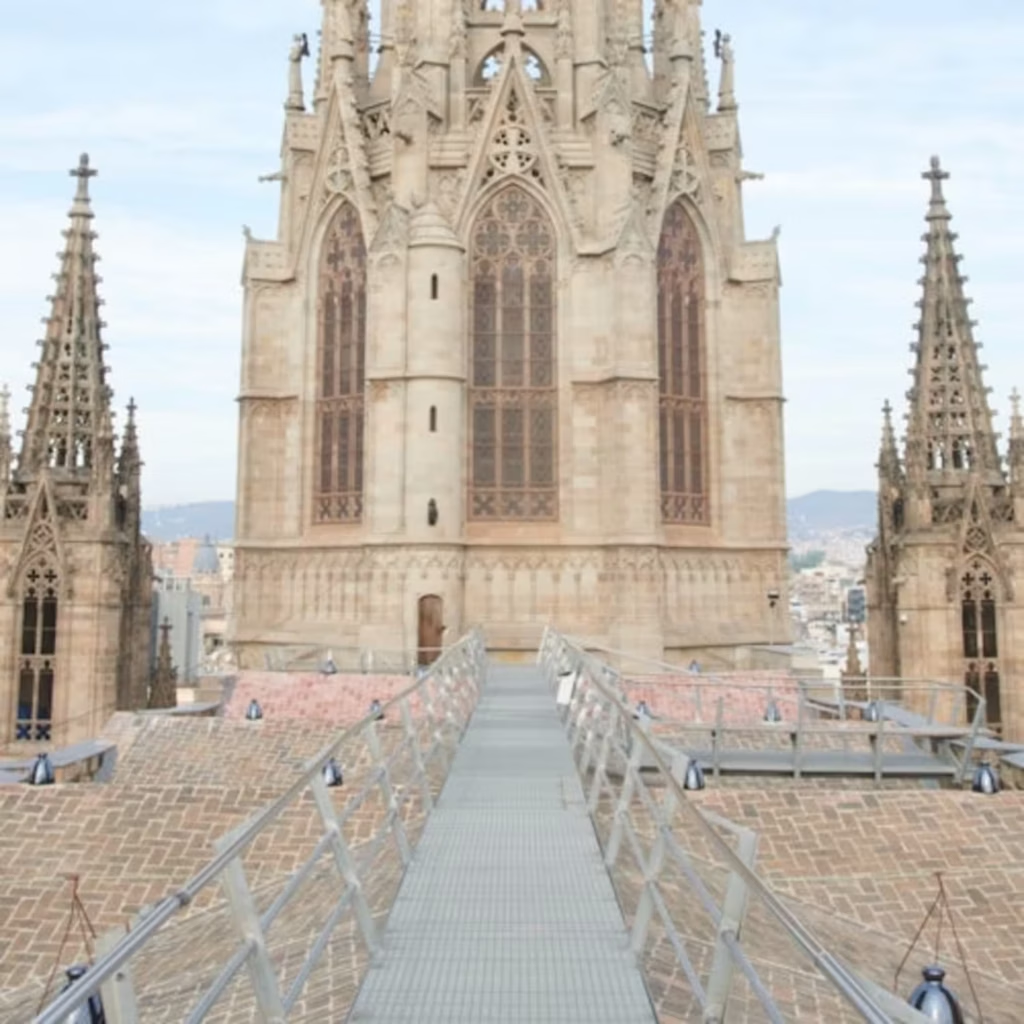
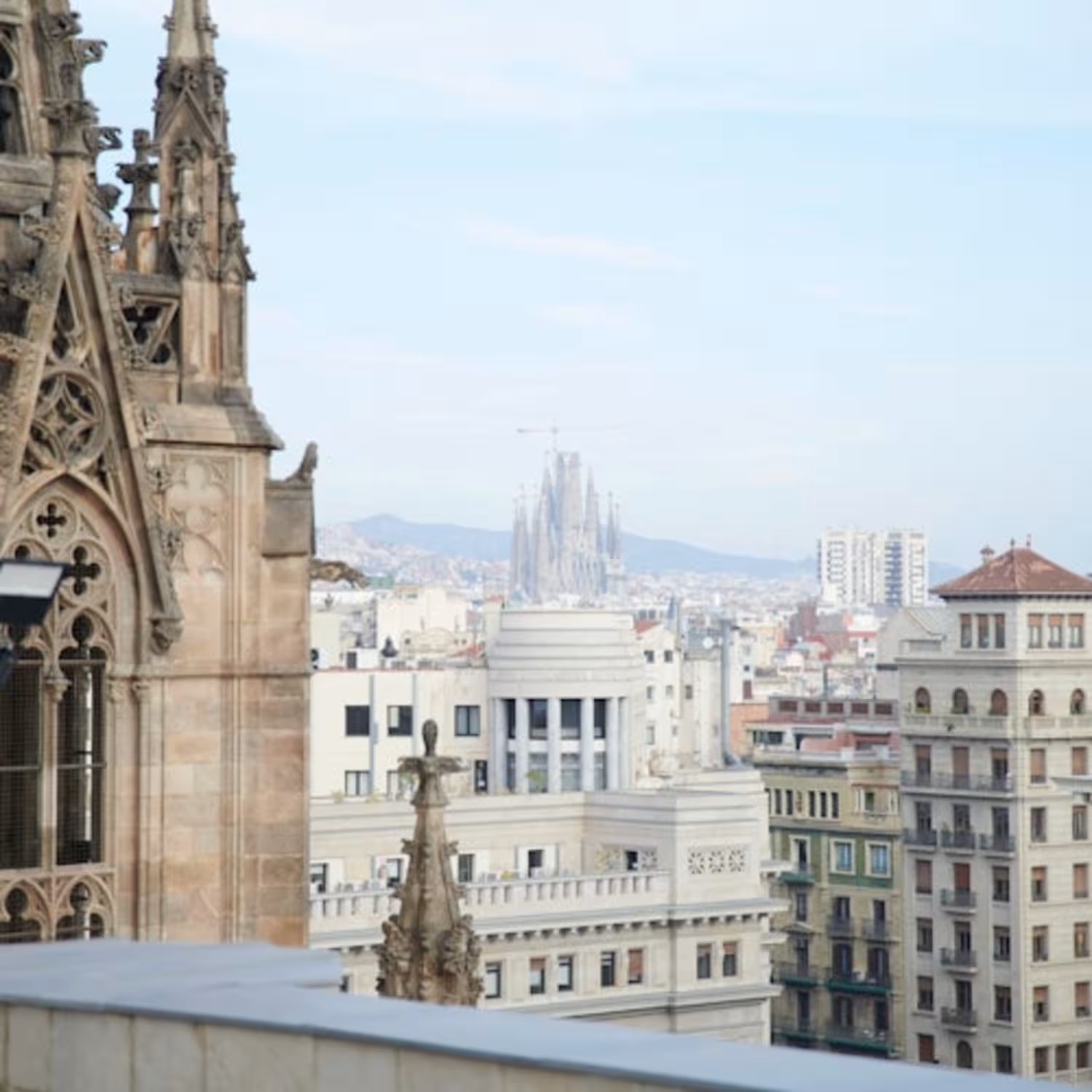
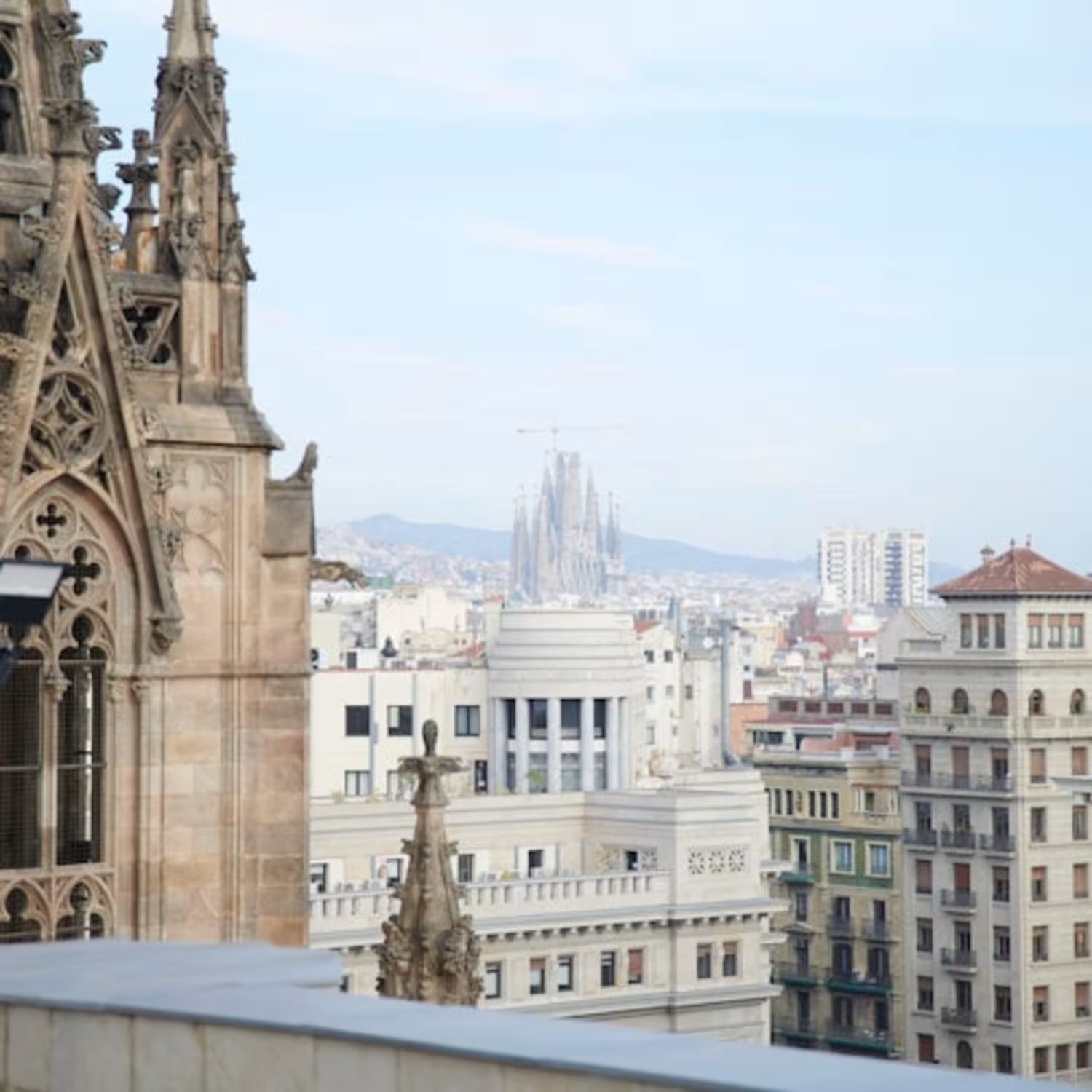
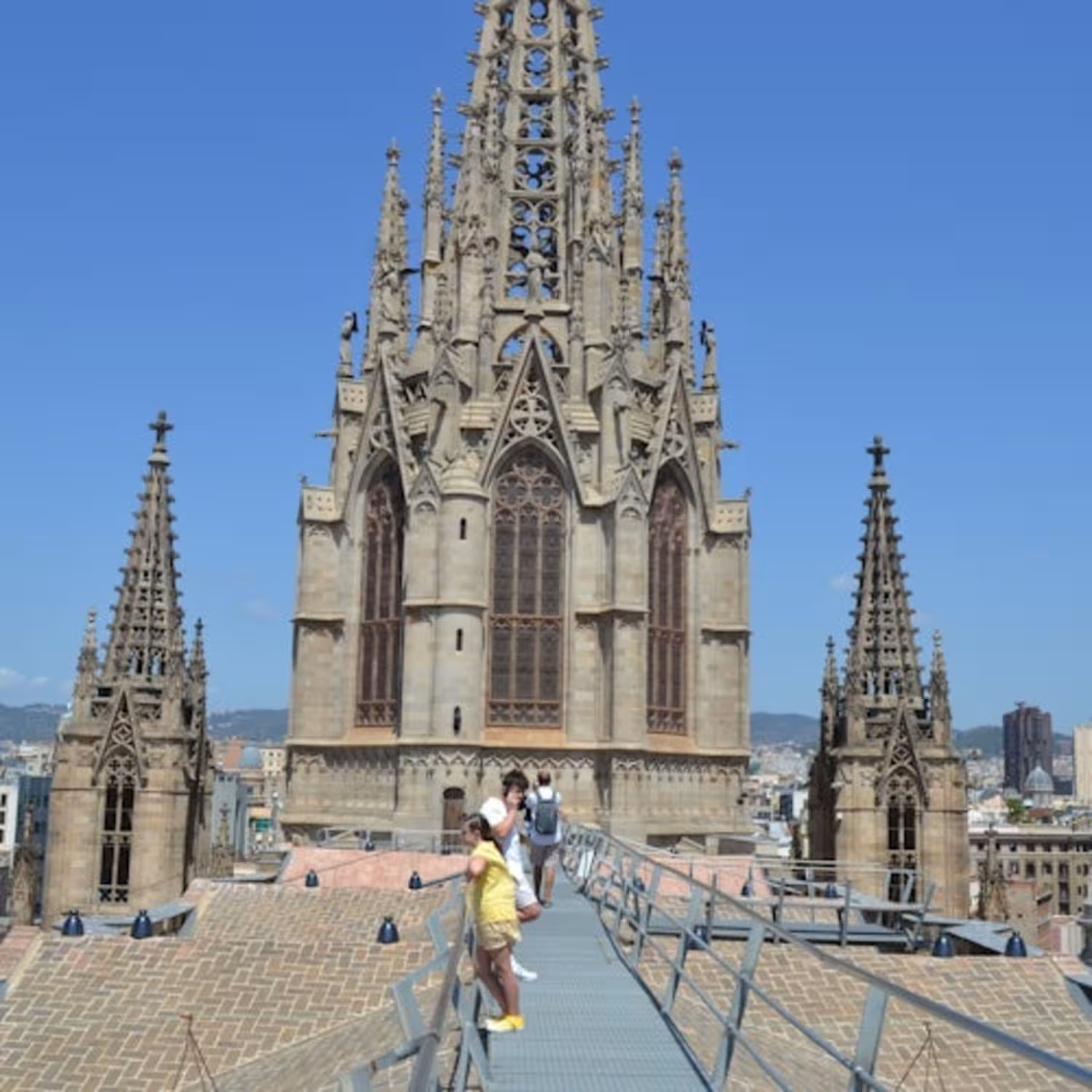
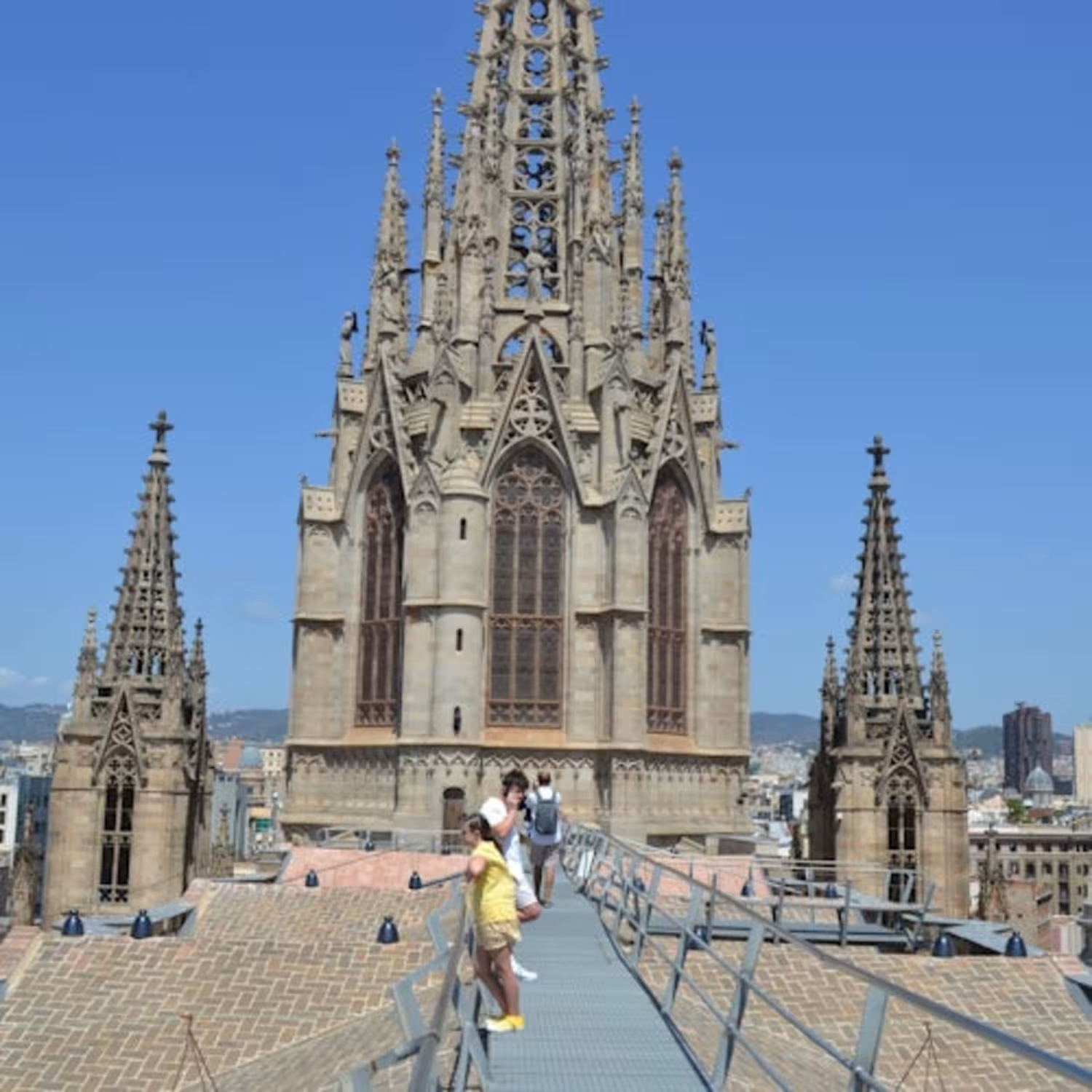
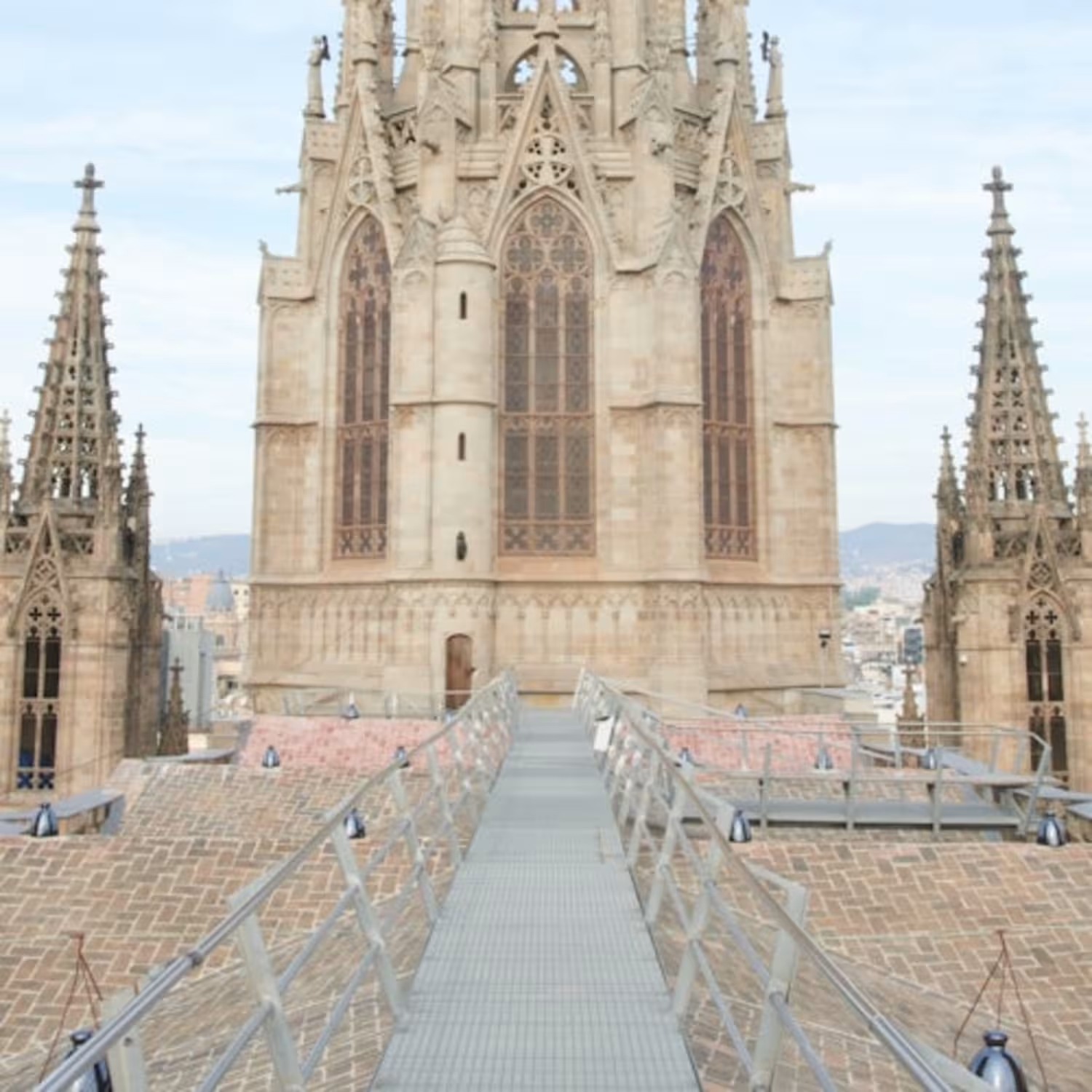
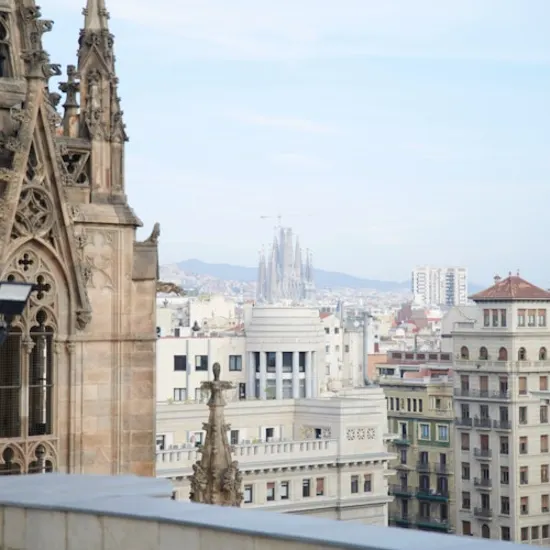
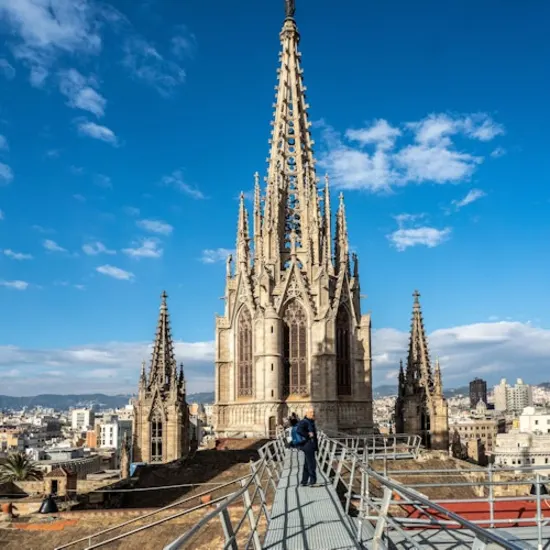
An elevator ride grants access to the cathedral's rooftop terrace, offering an incomparable 360-degree perspective over the Gothic Quarter and the wider Barcelona skyline. From this vantage point, you can also get a close-up view of the intricate pinnacles, bell towers, and the famous gargoyles that adorn the exterior.

Explore the Historical Art and Choir Stalls

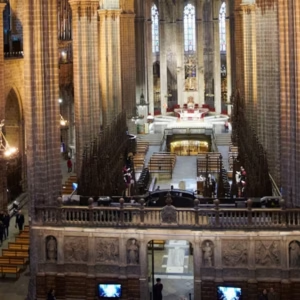
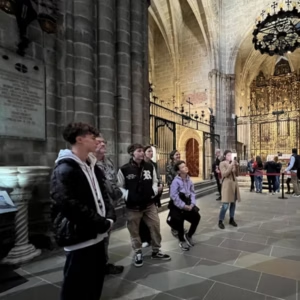
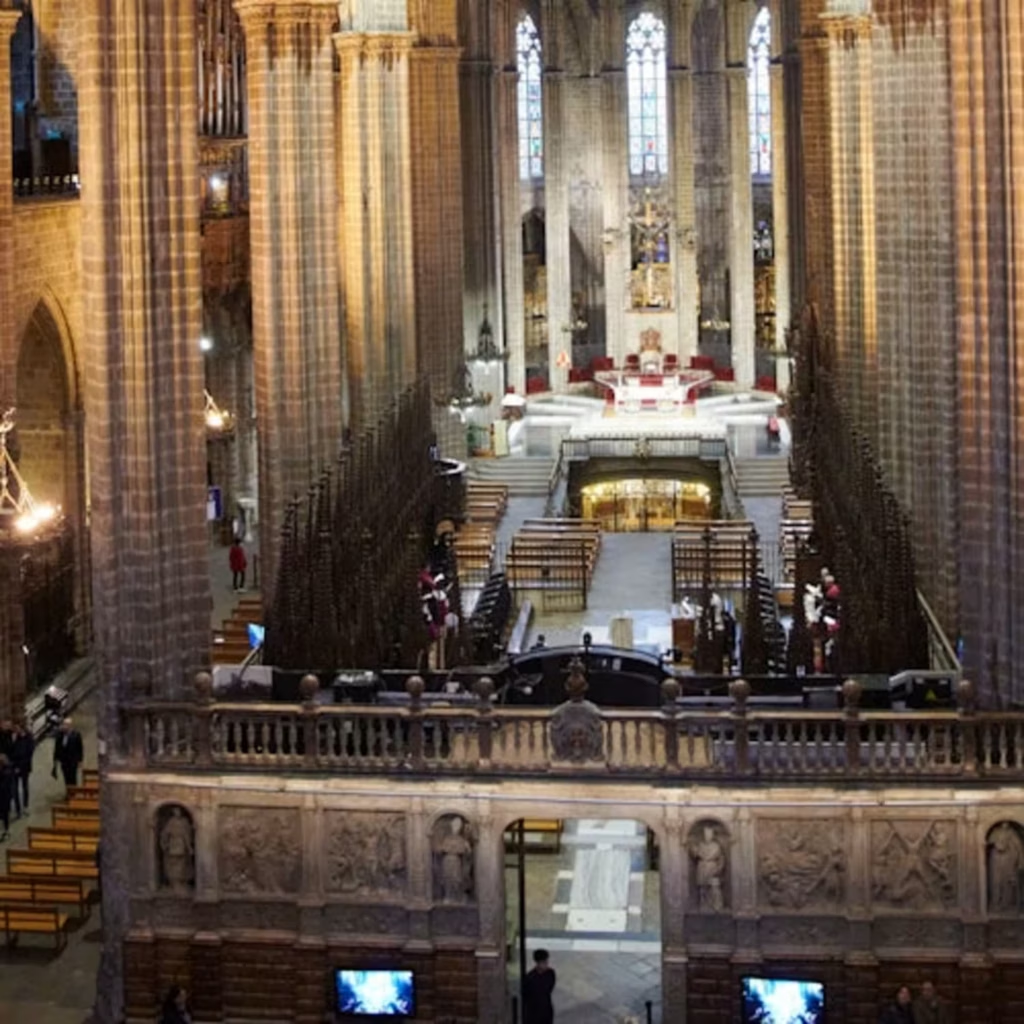
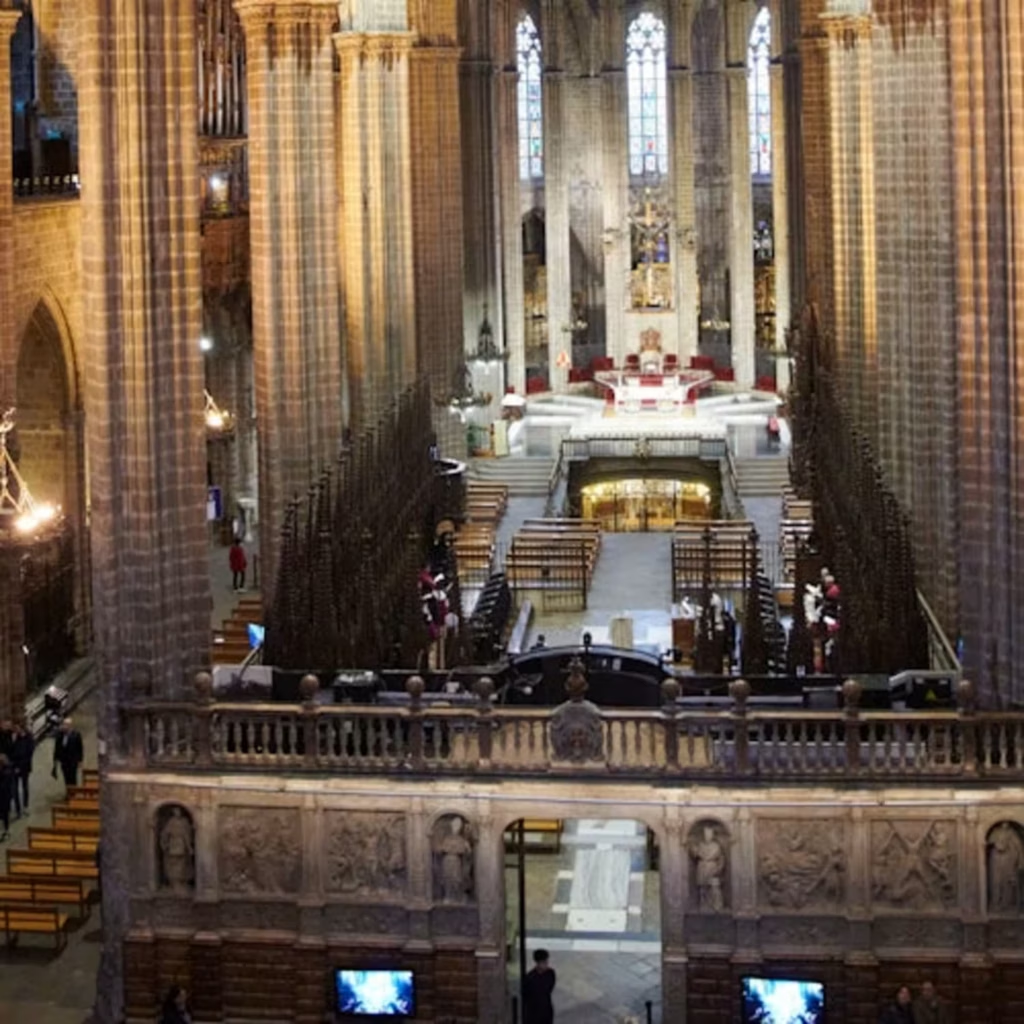
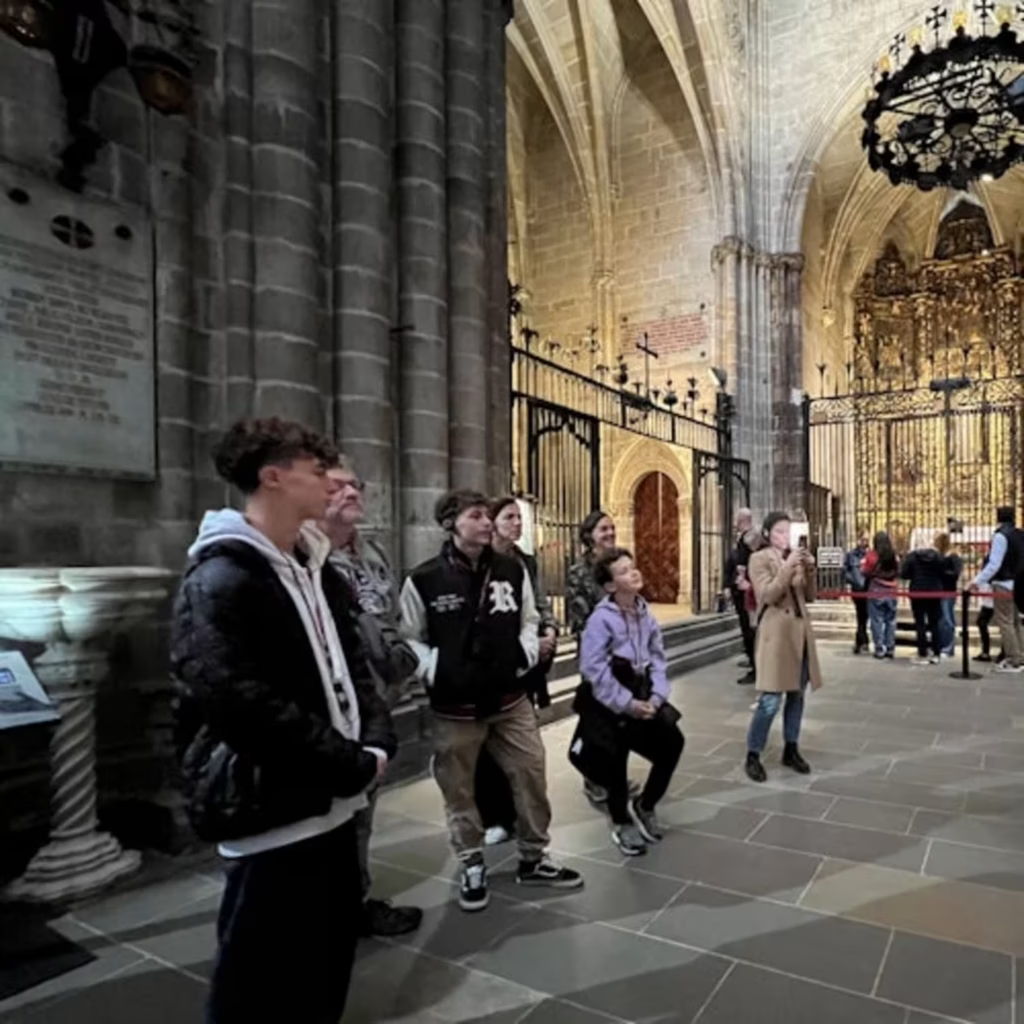
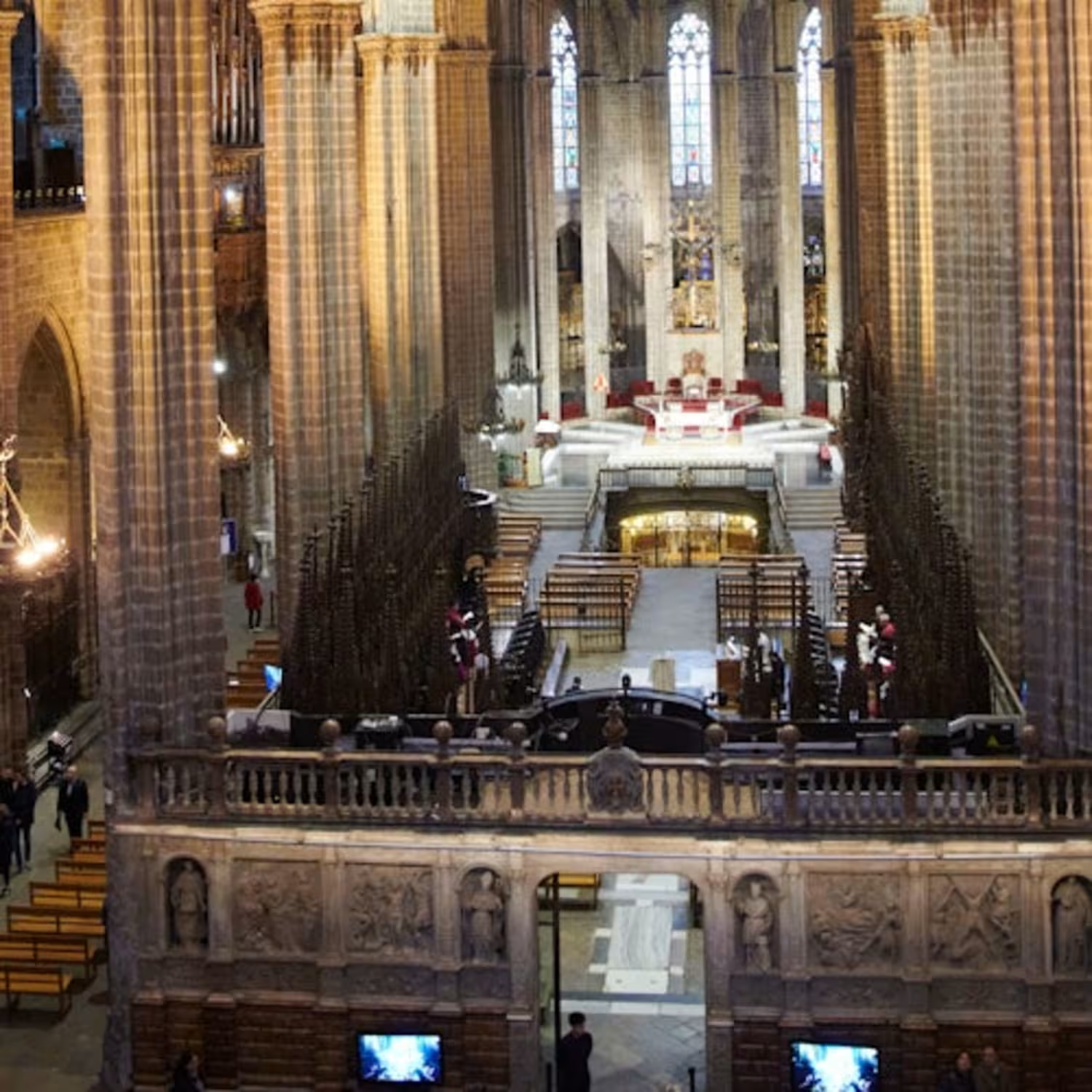
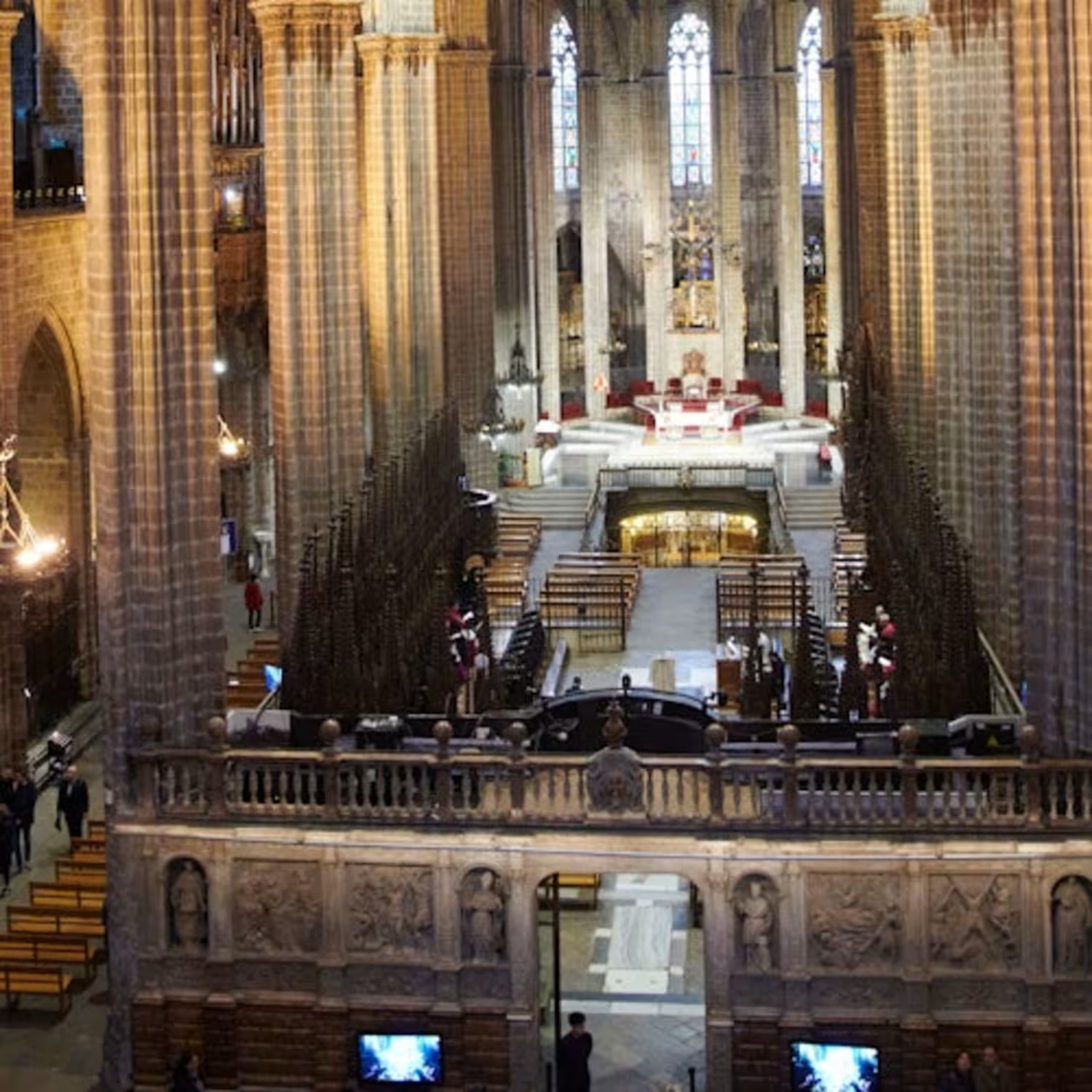
The cathedral’s interior holds significant historical and artistic treasures, including a magnificent Gothic choir with exquisitely carved wooden stalls that once hosted members of the Order of the Golden Fleece. Visitors can also explore numerous side chapels, which contain centuries of religious art and relics, such as the venerated Holy Christ of Lepanto.

Timings

The Catedral de Barcelona operates distinct schedules for cultural/tourist visits and worship. The times listed below are for ticketed cultural visits and are subject to change due to unexpected liturgical events. Please ensure you arrive before the noted closing time for access.

Weekdays (Monday to Friday):

Cultural and tourist visit hours: from 9:30 AM to 6:30 PM.

Access will be closed at 5:45 PM.

Saturdays and Festive Vigils (Religious):

Cultural and tourist visit hours: from 9:30 AM to 5:15 PM.

Access will be closed at 4:30 PM.

Sundays and Religious Holidays:

Cultural and tourist visit hours: from 2:00 PM to 5:00 PM.

Access will be closed at 4:30 PM.

Important Note: Visitors seeking to attend Mass or pray are welcome to do so outside of these cultural visit hours. Access to specific tourist areas, like the rooftop or certain chapels, may be restricted during worship times.

How do I Get There?

The Catedral de la Santa Creu i Santa Eulàlia (Cathedral of the Holy Cross and Saint Eulalia), commonly known as Catedral de Barcelona, is prominently located in the heart of the historic Gothic Quarter (Barri Gòtic).

Address:

Pla de la Seu, s/n

08002 Barcelona, Spain

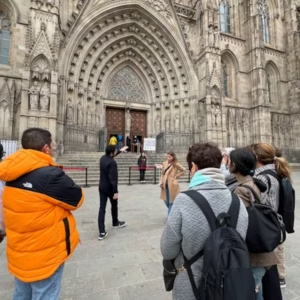
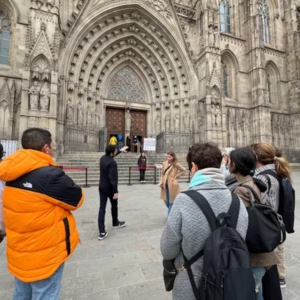
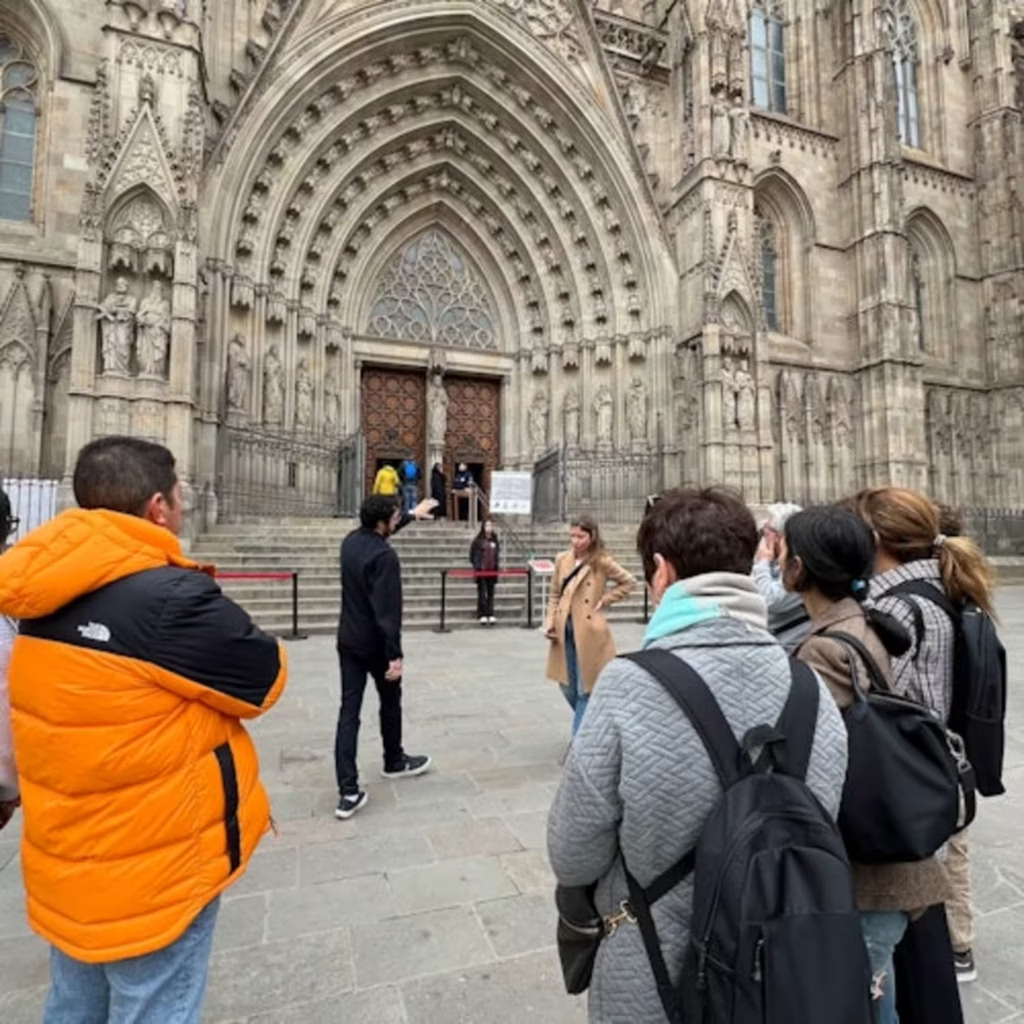
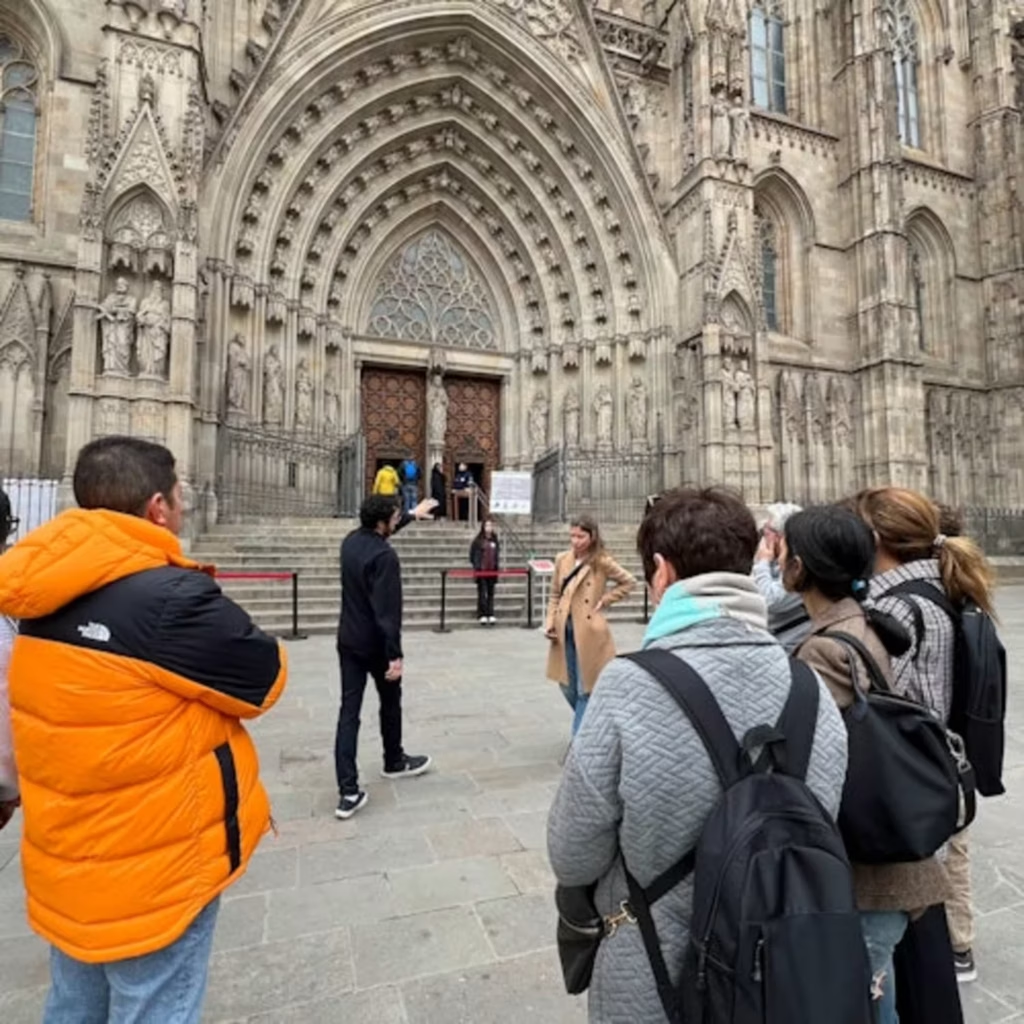
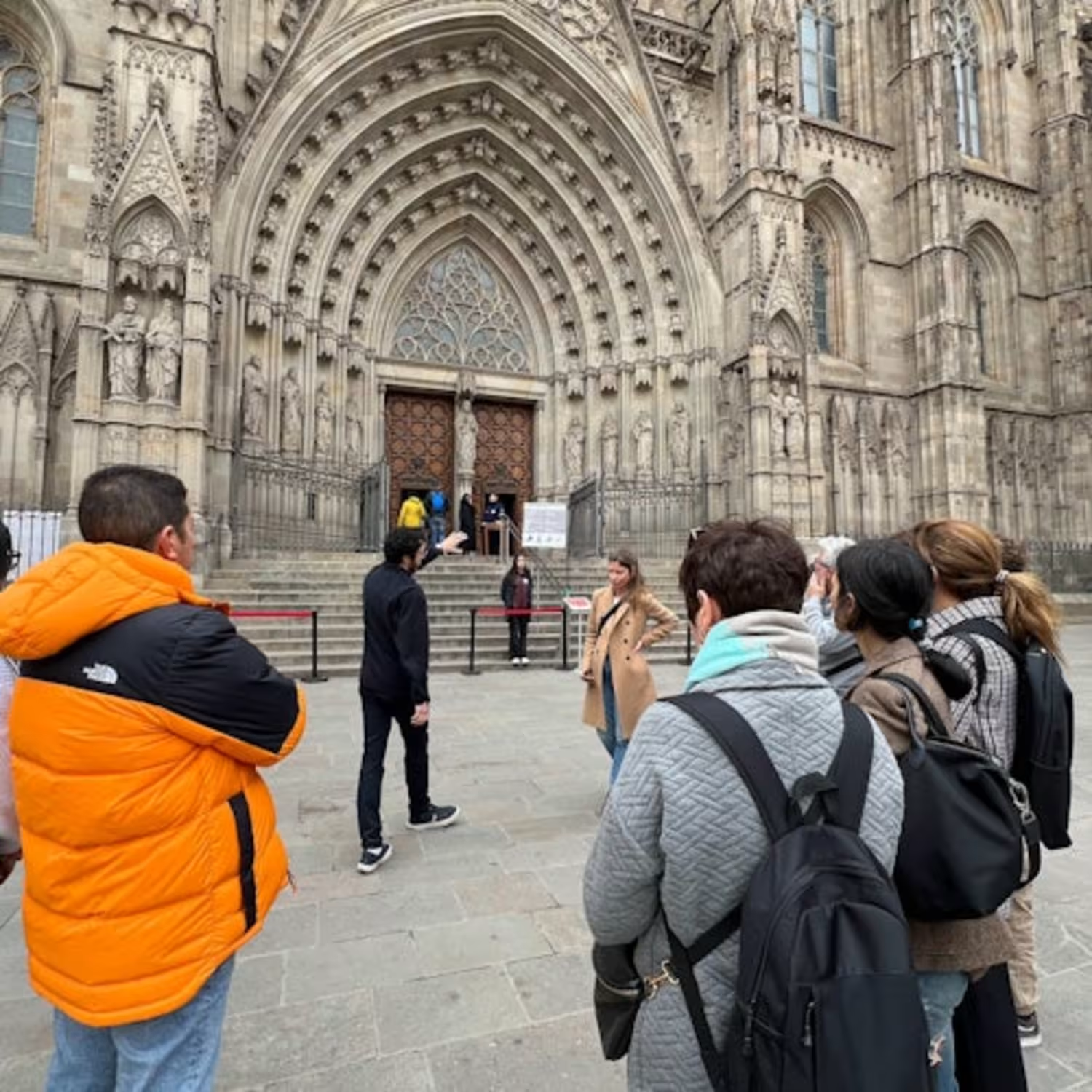
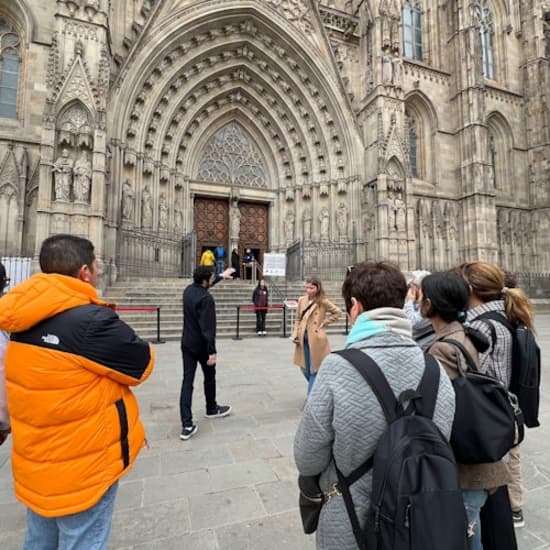
The main entrance and façade face the Plaça de la Seu, which provides an open space for viewing the entire structure.

The Metro is the quickest way to reach the vicinity of the Cathedral.

Closest Station: Jaume I

Line: L4 (Yellow Line)

Directions: From the Jaume I station, the Cathedral is a very short, well-signposted walk (approximately 3 to 4 minutes) through the charming streets of the Gothic Quarter.

Alternative Stations (Slightly Longer Walk):

Liceu: L3 (Green Line) on Las Ramblas (approx. 7-minute walk).

Urquinaona: L1 (Red Line) and L4 (Yellow Line) (approx. 7-minute walk).

Numerous TMB bus lines stop close to the Cathedral, making it a convenient option from many parts of the city.

Closest Stops:

Via Laietana - Pla Ramon Berenguer: Served by routes like V15, V17, 47, and 120. This stop is on the large avenue bordering the Gothic Quarter and is less than a 5-minute walk from the Cathedral.

Plaça de Catalunya: A major hub for many bus lines, located approximately a 10-minute walk away.

Train (FGC/Rodalies)

For visitors arriving from outside the city center or from other towns in the region, the nearest major central train station is:

Plaça de Catalunya (Rodalies/FGC lines): This station is a central point and is about a 10-minute walk down Portal de l'Àngel and into the Cathedral square.

On Foot

The Catedral is a key landmark in the tourist center, making it easy to find on foot. If you are near Las Ramblas or Plaça de Catalunya, simply head towards the Gothic Quarter along Portal de l'Àngel.

The surrounding area is largely pedestrianized.

Taxi

Taxis are readily available throughout Barcelona. They offer the most direct route but will only be able to drop you off at the nearest access point, as the Cathedral is deep within the pedestrianized Gothic Quarter.

The journey time from most city-center hotels is typically very short.

Things to Know Before Visiting the Cathedral of Barcelona

Dress Code is Enforced: Visitors are required to cover their shoulders and knees as a sign of respect, so please dress appropriately.

A Historic, Active Church: Remember this is an active place of worship, and silence must be maintained in the nave and chapels, particularly during services.

Ticket Purchase is Necessary: A ticket is required for cultural visits, which grants access to the full complex including the rooftop and cloister.

Booking Online is Recommended: Purchasing your ticket in advance online is highly recommended to secure your preferred time slot and save time on arrival.

Separate Access for Worship: Visitors attending Mass or prayer enter through a different access point than those on the cultural visit route.

Bag Checks are Standard: Expect security checks upon entry, and larger bags or backpacks may not be permitted inside the premises.

Cloister Geese are a Tradition: The thirteen resident white geese in the cloister are a traditional, symbolic element of the Cathedral's history.

Crypt Access is Not Accessible: The Crypt of Saint Eulalia is accessed via stairs and is not wheelchair accessible due to the building's historical structure.

Rooftop Views are Worth the Climb: Access to the rooftop is via an elevator and provides excellent panoramic views of the city, which is included in the cultural ticket.

Photography is Generally Allowed: You are permitted to take photographs, but flash photography is generally discouraged, and photos should never disrupt ongoing services.

Cathedral of Barcelona - Additional Information

The Cathedral provides several basic amenities to ensure a comfortable visit:

Restrooms: Public restrooms are available for visitors, typically located within the cloister area or near the exit point.

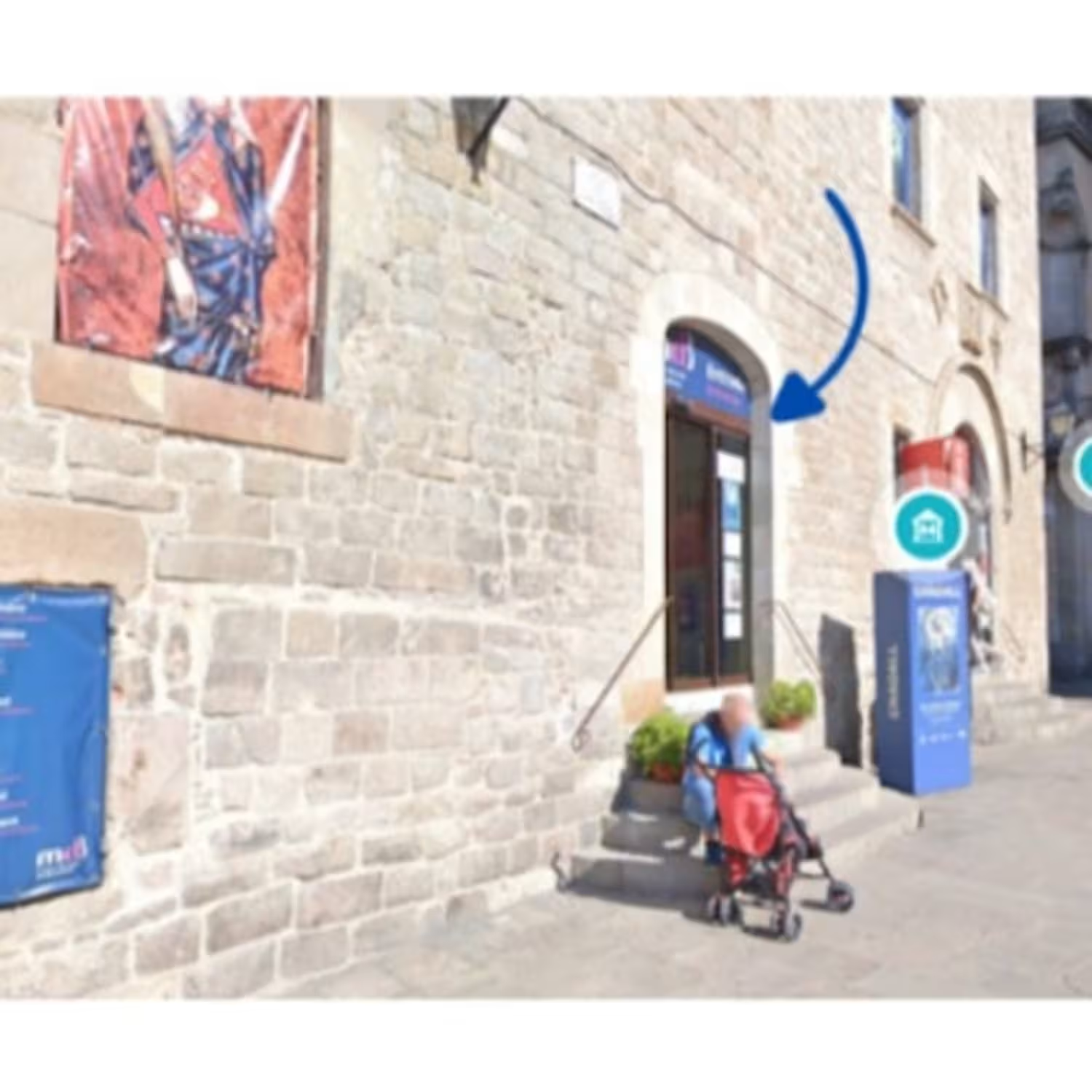
Information Point: An information and ticket counter is available near the main entrance where staff can assist with general queries, ticket collection, and directional guidance.

Worship Area: The main nave and specific chapels are dedicated to prayer and liturgical services. Visitors are asked to maintain respect and silence in these sacred areas.

Elevator: An elevator provides access to the rooftop terrace for viewing the panoramic city skyline and the architectural details from above.

A dedicated store is available on-site for visitors looking to purchase mementos of their experience:

Location and Offerings: The official souvenir shop is situated near the exit. It offers a selection of religious articles, books detailing the Cathedral's history and art, postcards, and other themed souvenirs.

Purpose: Purchases made at the store directly support the maintenance and preservation of the Cathedral complex.

There are no catering or dining facilities located directly within the Cathedral complex itself, in order to preserve the sanctity of the space.

Nearby Options: As the Cathedral is situated in the vibrant Gothic Quarter, visitors will find a wide array of cafes, bars, and restaurants immediately outside the grounds. The surrounding streets offer many opportunities for a quick snack or a full meal before or after your visit.

Accessibility

Cathedral of Barcelona (Google Maps)

The Catedral de Barcelona is a magnificent, yet very old, structure which presents unique challenges to full accessibility, but efforts have been made to accommodate visitors with reduced mobility.

Main Entrance and Nave: Access to the main body of the Cathedral and the Cloister is generally accessible for wheelchair users and those with limited mobility. Ramps or adapted entrances are available to facilitate entry into the primary areas of the complex.

The Cloister: The tranquil outdoor courtyard area is accessible via the main routes, allowing visitors to view the garden and the famous resident geese.

Rooftop Views: Access to the rooftop terrace, which provides panoramic views of the city and the architectural details, is provided by a modern elevator.

Crypt of Saint Eulalia: Due to its medieval foundation and construction, the Crypt, which houses the tomb of the patron saint, is located beneath the main altar and is only accessible via a flight of stairs. It is not accessible to visitors who use wheelchairs or those with severe mobility limitations.

Restrooms: The available public restroom facilities include an adapted stall for visitors with mobility needs.

Assistance: Visitors who require special assistance or guidance are encouraged to inform the staff at the information or ticket desk upon arrival. While staff cannot provide personal care, they can assist with directional advice and ensuring the most accessible routes are used.

Interesting Facts about the Cathedral of Barcelona

The official name of the Catedral is the Cathedral of the Holy Cross and Saint Eulalia, dedicated to the city's co-patron saint.

Construction officially began in 1298, though a cathedral has stood on this site since the 4th century.

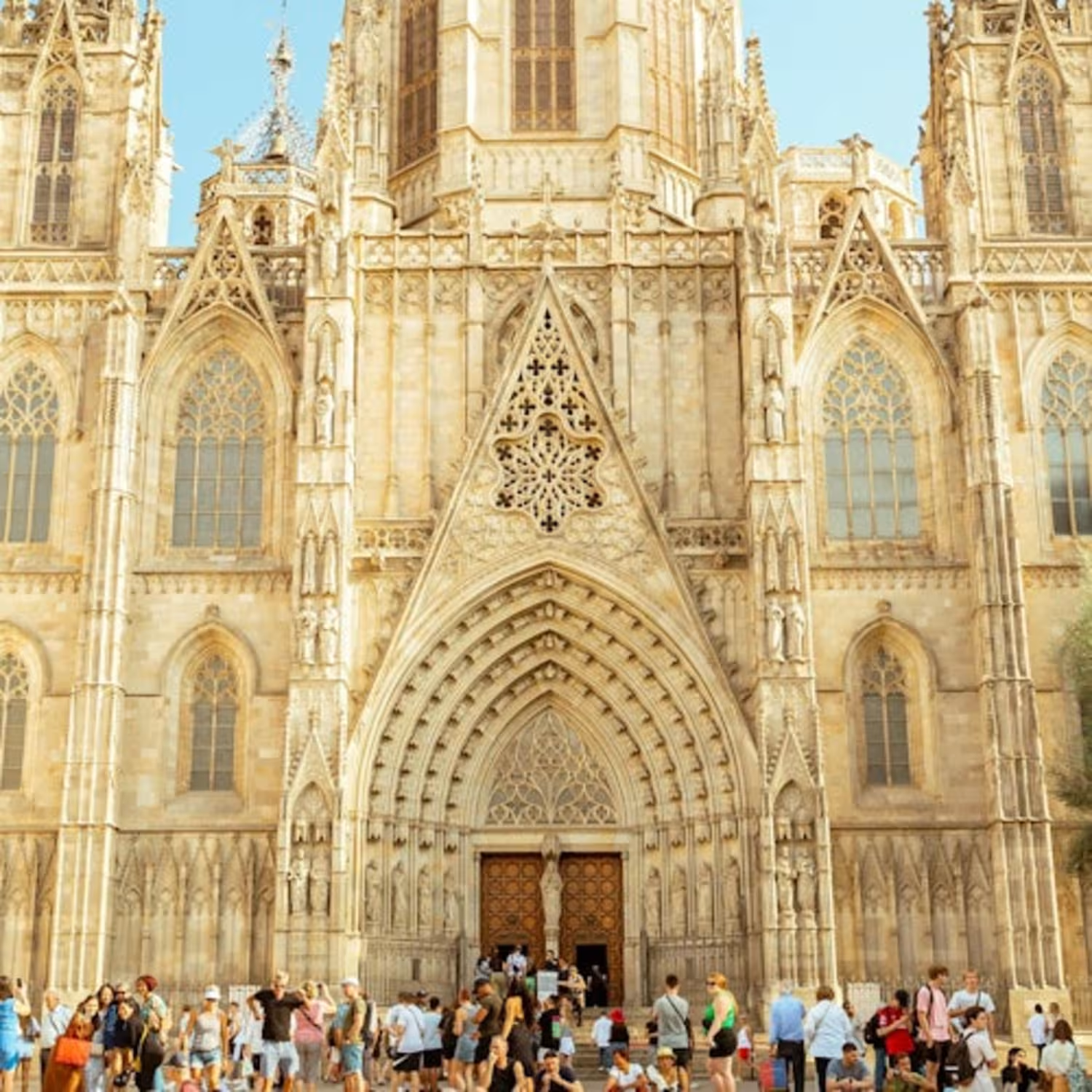
The main façade is actually neo-Gothic and was only completed much later, between 1890 and 1913.

The Cathedral's tower once served as a navigational landmark for ships entering the old port of Barcelona.

The Cloister is home to thirteen resident white geese, symbolizing the age of Saint Eulalia when she was martyred around 304 AD.

The stunning central choir stalls feature carved coats of arms from knights of the Order of the Golden Fleece.

The high altar is built directly over the Crypt of Saint Eulalia, which houses her beautifully carved alabaster sarcophagus.

One chapel contains the much-venerated Holy Christ of Lepanto, said to have miraculously twisted to avoid a cannonball during the 1571 battle.

The rooftop gargoyles are famous and depict a wide variety of mythological creatures and animals, not just religious figures.

The 90-meter-high cimborio (lantern tower) features a massive central spire crowned with the figure of Saint Helena.

Inside the baptistery is a medieval fountain where the "Dancing Egg" tradition takes place during the Corpus Christi festival.

The Crypt of Saint Eulalia was not officially consecrated until the year 1339, decades after construction on the main cathedral began.

The building style is considered a pure example of Catalan Gothic, known for its wider interior spaces and preference for horizontal lines.

The organ, located above the choir, dates back to the late 16th century and is still used for regular services and concerts.

FAQs about the Cathedral of Barcelona

What is the official name of the Cathedral of Barcelona?

The Cathedral is officially known as the Cathedral of the Holy Cross and Saint Eulalia, named for the city's co-patron saint.

What architectural style defines the Cathedral?

It is a primary example of Catalan Gothic architecture, though its magnificent main façade is a later addition constructed in the Neo-Gothic style.

When was the current Cathedral built?

While the site has hosted religious buildings since the 5th century, the present Gothic structure was predominantly constructed between the 13th and 15th centuries.

Who is Saint Eulalia?

She is the co-patron saint of Barcelona, and her 14th-century alabaster sarcophagus is housed within the crypt below the main altar.

Why are there geese in the Cloister?

The Cloister is famously home to thirteen white geese, symbolizing the age of Saint Eulalia when she was martyred.

What is the significance of the Holy Christ of Lepanto?

This venerated figure, located in a side chapel, is traditionally believed to have miraculously twisted to avoid damage during the naval Battle of Lepanto in 1571.

How long should I budget for my visit?

While not explicitly stated, visitors typically allow between 1.5 to 2 hours to comfortably explore the entire complex, including the interior, cloister, and rooftop.

Is a ticket required for access?

Yes, a cultural visit ticket is required to access the full complex, including the popular rooftop views and the cloister.

What are the weekend visiting hours?

On Saturdays, cultural visits are open from 9:30 AM to 5:15 PM, and on Sundays, they are open in the afternoon from 2:00 PM to 5:00 PM.

Can I get to the rooftop?

Yes, the rooftop terrace is accessible via a modern elevator, and access is included with your cultural visit ticket.

Is the Cathedral wheelchair accessible?

The main nave and cloister are generally accessible, but please note that the historical Crypt of Saint Eulalia is not accessible as it is reached only by stairs.

Is there a dress code?

Yes, visitors are asked to dress respectfully by ensuring their shoulders and knees are covered before entering the sacred space.

Where is the nearest metro station?

The closest and most convenient metro station is Jaume I on the L4 (Yellow Line), which is a very short walk from the Cathedral.

Can I take photos inside the Cathedral?

Photography is generally allowed, but flash is discouraged, and photos must never disrupt ongoing religious services.

This website sells official tickets for this venue. Please note, however, that it is not the official website of the venue.
The images and videos on this website may contain visual elements that have been created or enhanced using AI technology. They are provided for illustrative purposes only.